
Researched guides • Real owner experience • No fake claims — just honest pet care
Furrology — The Science of Pets
Understand the animals you love — dogs, cats, birds, and small furry friends — with clear guides backed by science and real owner experience.
Explore the guides

Dogs
Behavior, training, care, and nutrition — from the first puppy days to the wise old years.
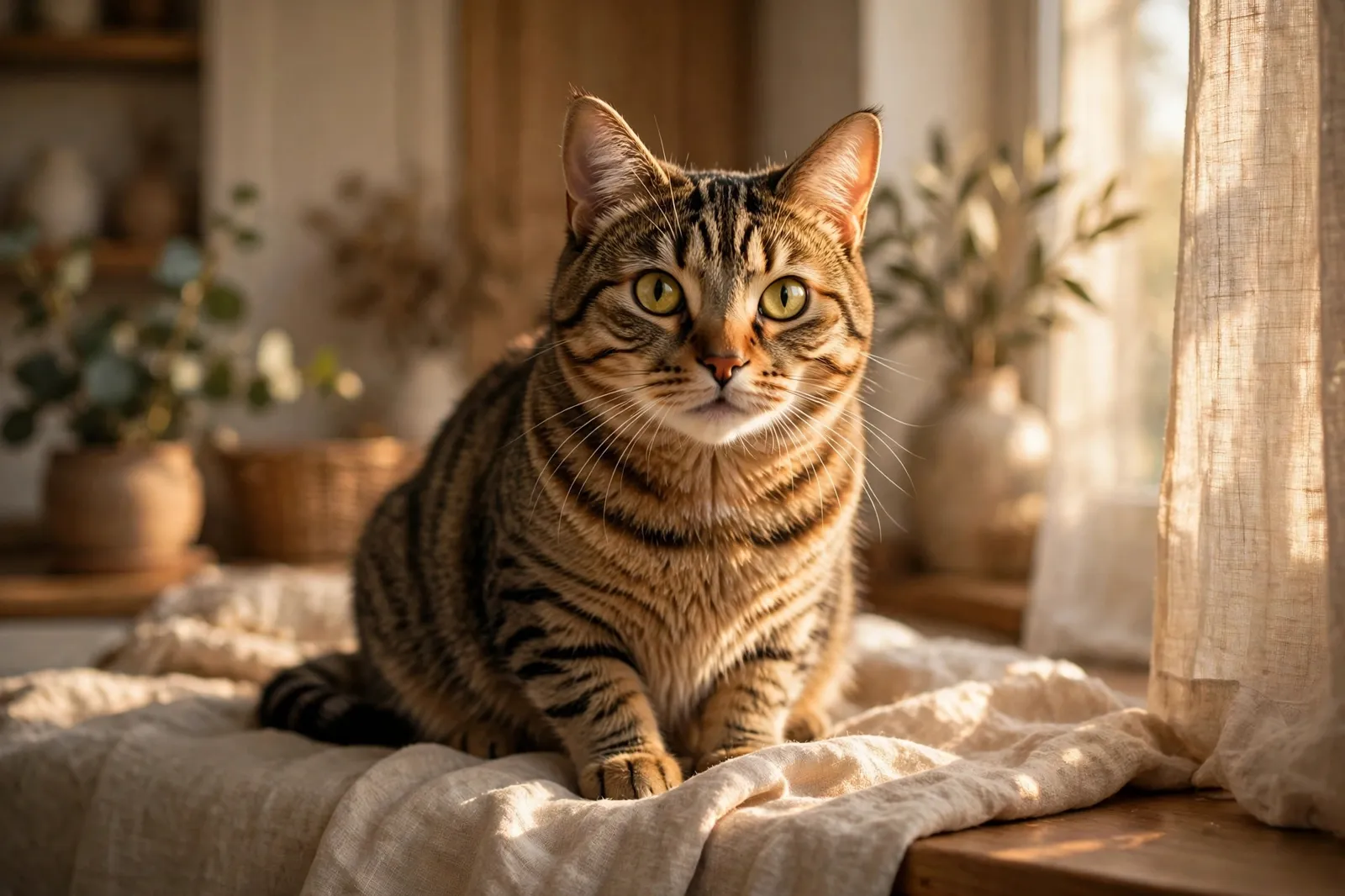
Cats
Body language, care, and nutrition decoded for the most mysterious member of the family.
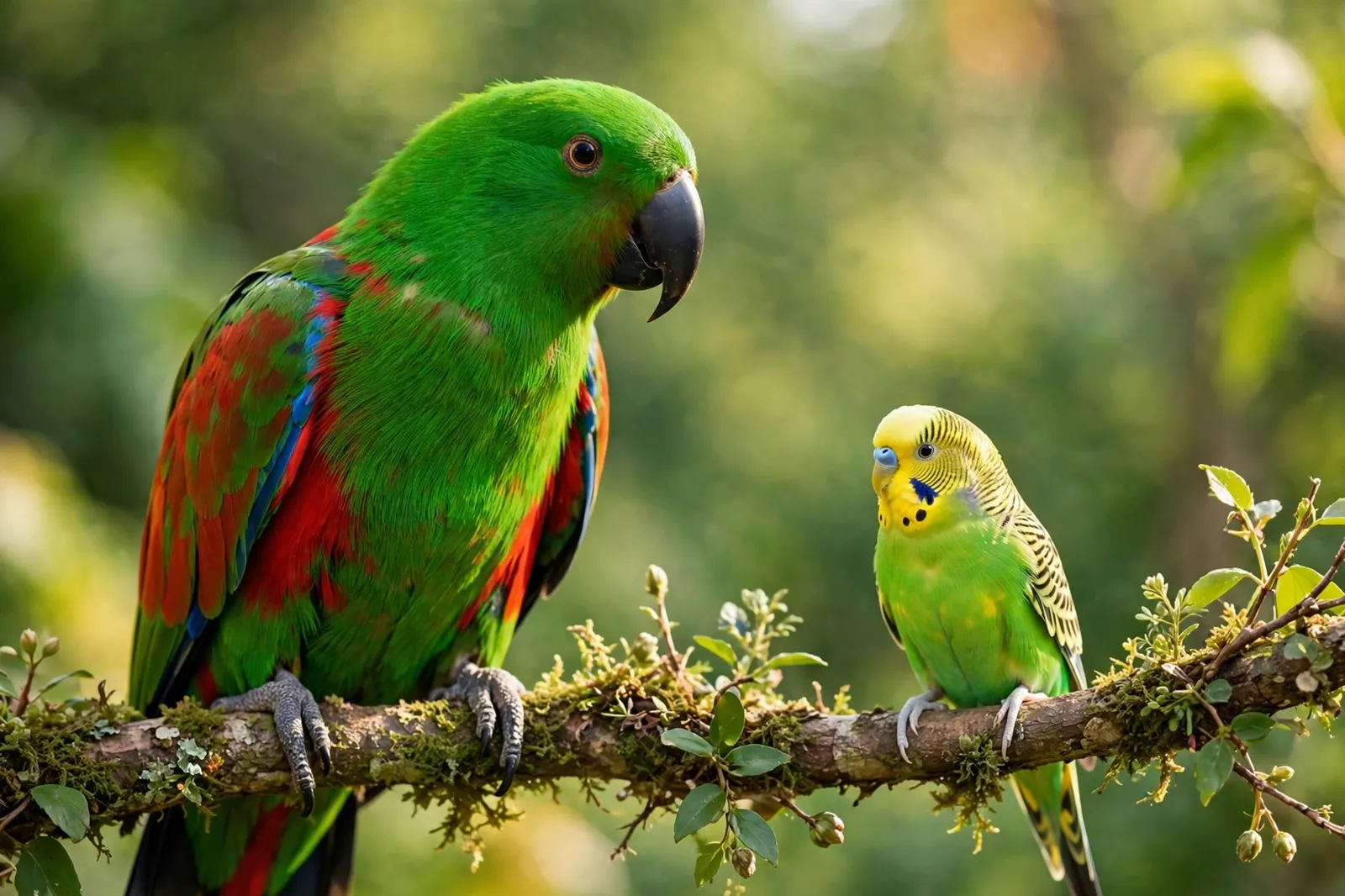
Birds
Parrots, budgies, and cockatiels: care, behavior, talking, and training for feathered companions.
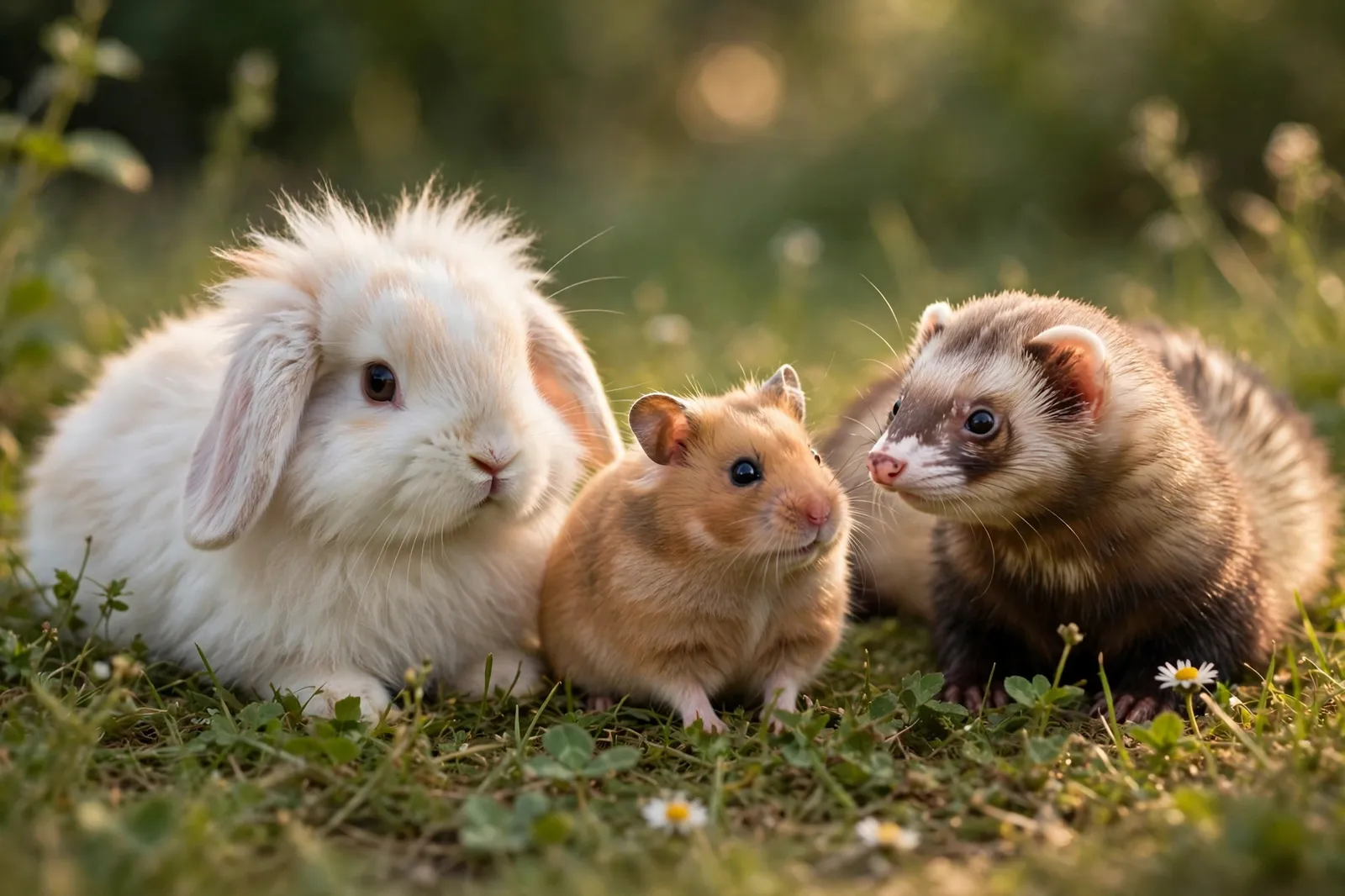
Small Pets
Rabbits, hamsters, ferrets, and more — care and behavior for little animals with big personalities.
From the blog

Cats sleep 12 to 16 hours a day because they are energy strategists: built to rest deeply between bursts of hunting, most active at dawn and dusk, and wired to conserve power even when the food bowl is always full. Long sleep is the design, not laziness — worry only when a cat’s own pattern … Read more
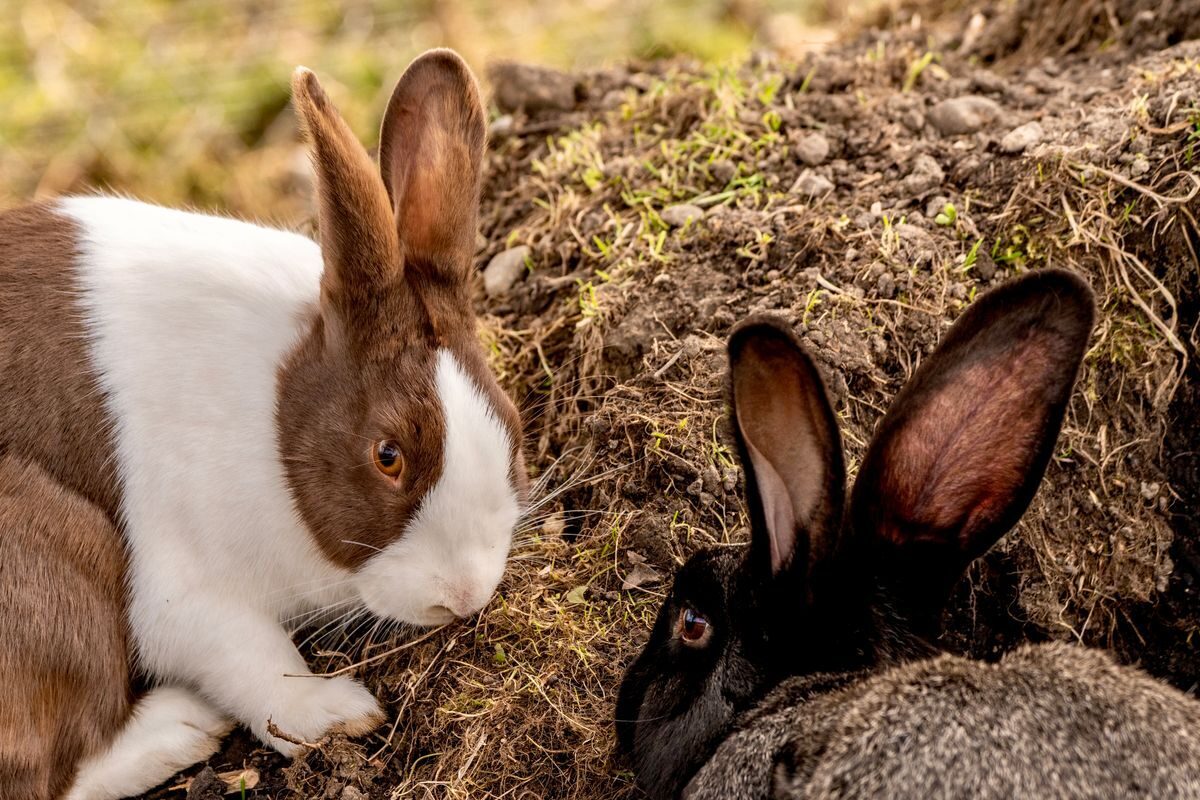
Rabbits dig because they are built for it: wild rabbits dig warrens for shelter, escape and nesting, and pet rabbits keep the same wiring. Digging is almost always normal, not naughtiness — so the answer is not stopping it, but giving the rabbit a dig box and protecting the carpet. If you keep a rabbit … Read more

Dental chews reduce plaque and tartar between vet visits by scrubbing teeth as the dog gnaws — they are daily maintenance, not a cure for existing dental disease. The right chew is sized to the dog, soft enough to give under a thumbnail, and supervised, so it cleans teeth without breaking them or becoming a … Read more

A harness gives an indoor cat safe outdoor time — grass, air and new smells — without the risks of free roaming. The right one is a cat-specific vest style, fitted so two fingers slide under the straps, and introduced slowly indoors over days to weeks before any garden trip. Research-based only. No product was … Read more
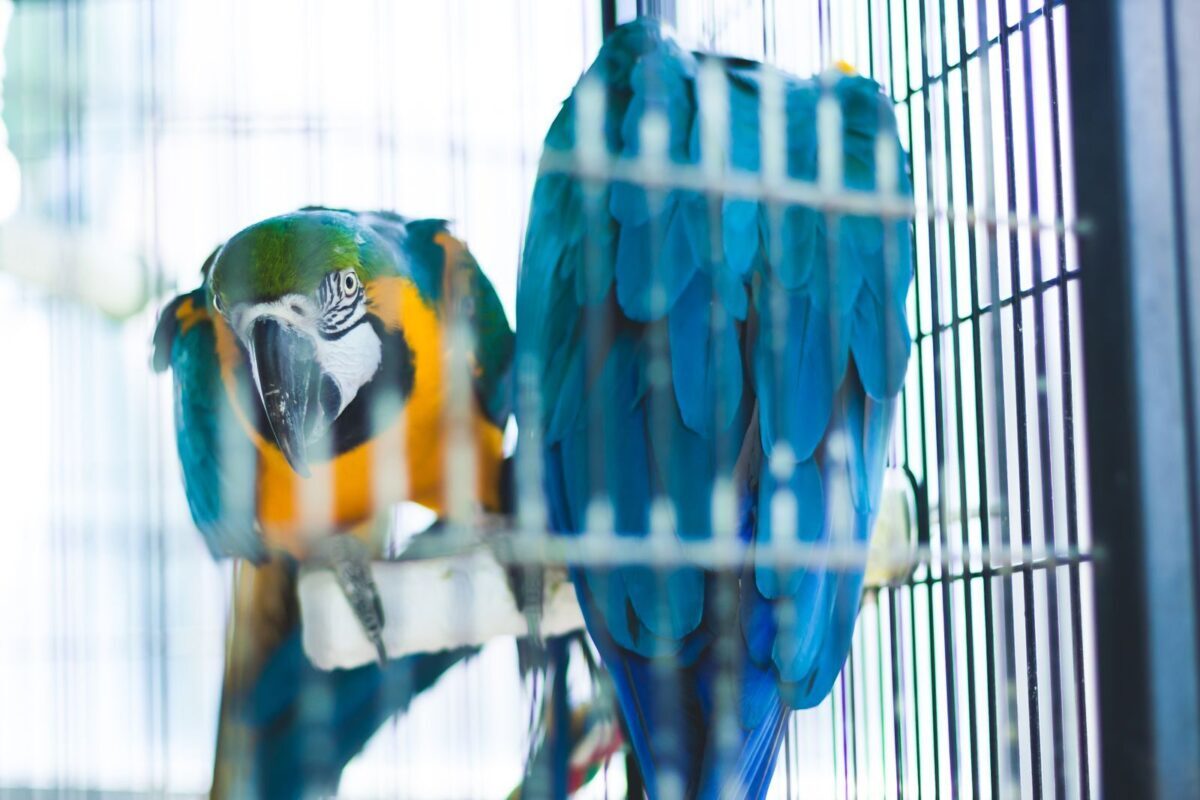
Parrots, budgies and cockatiels need 10 to 12 hours of dark, quiet sleep a night, and most homes cannot provide that without help. A breathable, well-fitting cage cover blocks light and drafts, signals bedtime clearly, and helps birds settle faster and wake less — the simplest upgrade to a bird’s daily routine. Research-based only. No … Read more

Most pet birds love to bathe, and bathing keeps feathers clean and skin healthy. The best bath is a shallow one your bird actually uses — dish, mist, or wet leaves — fitted to the cage and cleaned after every use. Offer it a few times a week in a warm room, and your bird … Read more

Most cats do not hate the vet — they hate the carrier, the car, the strange smells and the waiting room full of dogs, and they arrive already at their limit. A calmer visit is mostly preparation at home: a carrier left out as furniture, a short note of changes to mention, and a covered … Read more

A dog spinning after its tail is usually just playing — a pup that has just noticed it, or a grown dog letting off excitement. Call the dog or offer a toy and it normally stops straight away. But spinning that is endless and frantic, will not break off, or comes with biting, wounds or … Read more
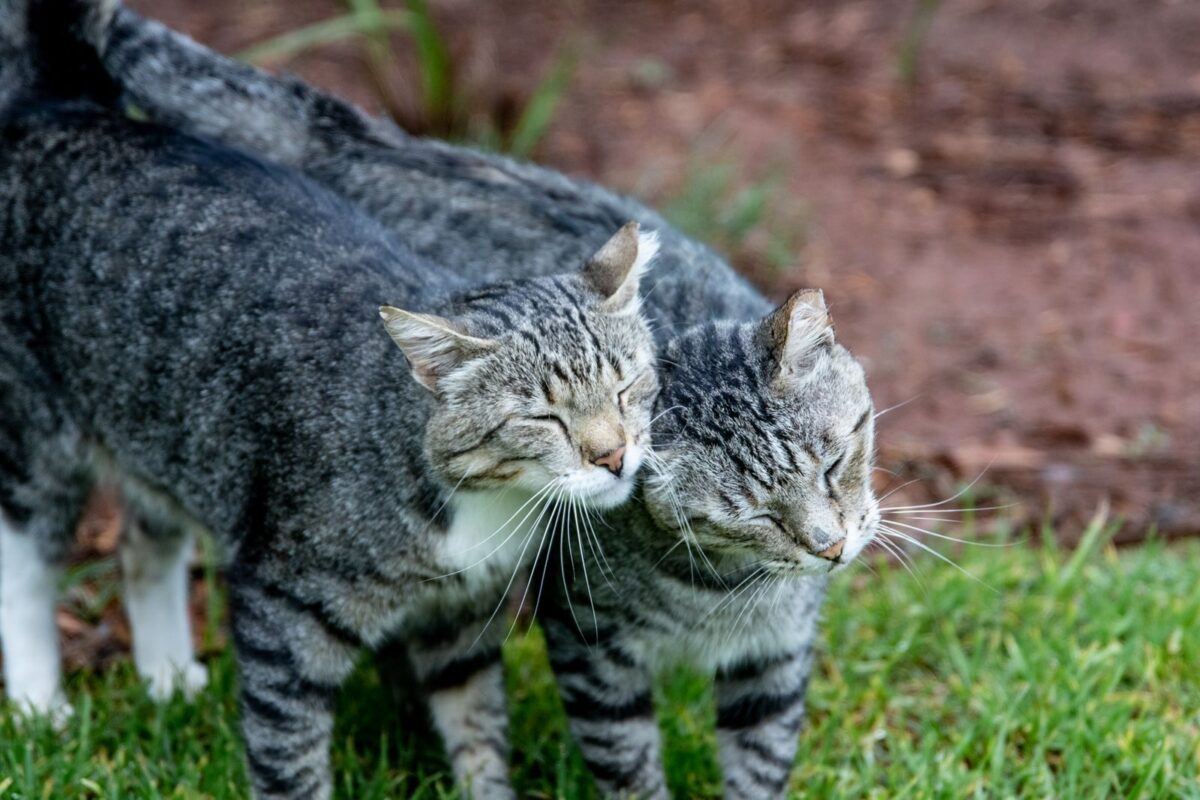
A headbutt — or bunting — is your cat marking you as family: cats have scent glands on their cheeks, forehead and chin, and pressing them against you deposits pheromones that say you belong to her group. It is affection and territory-marking in one gesture, offered on the cat’s own terms. Few cat behaviors feel … Read more
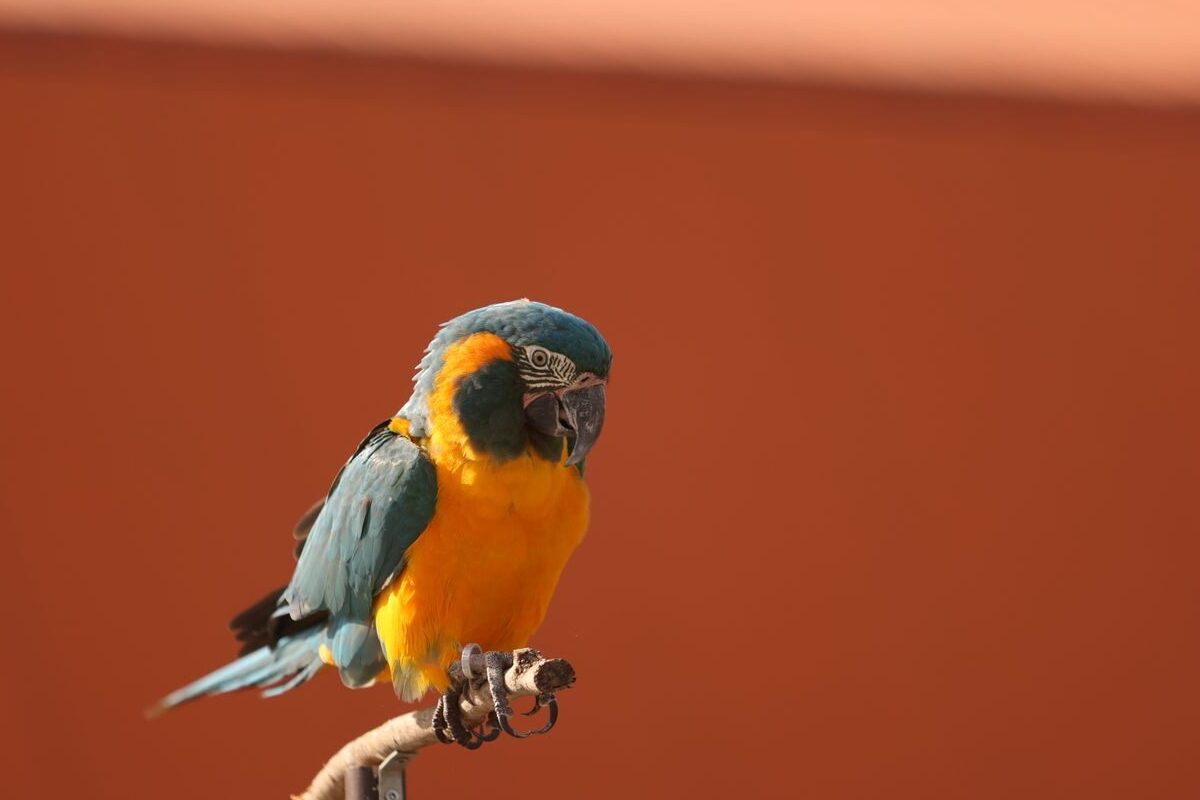
Feather plucking is rarely one problem: boredom, stress, poor diet and skin disease can all drive it, often at the same time. The first step is not a fix but a check — an avian vet rules out medical causes — because treating boredom will never heal a skin infection, and no single spray or … Read more

A slow feeder bowl turns a ninety-second meal into five or ten minutes by putting ridges, mazes or bumps between the dog and its food. The dog has to work around the obstacles instead of gulping a flat pile — which means less swallowed air, less vomiting, and one less risk factor for bloat. Research-based … Read more

Ferrets sleep 14 to 18 hours a day, and most would rather sleep in a hammock than on a flat bed: it cradles the body, keeps them off a cold, soiled cage floor, and sways gently as they shift. The right hammock is washable, hung low, and free of loose threads — cheap, simple, and … Read more

A cat tree only works if your cat actually uses it, and cats use trees for three things: height, scratching and hiding. The best tree is a stable one, placed near a window, with real sisal posts to scratch and a perch high enough to survey the household — not the tallest or prettiest tree … Read more
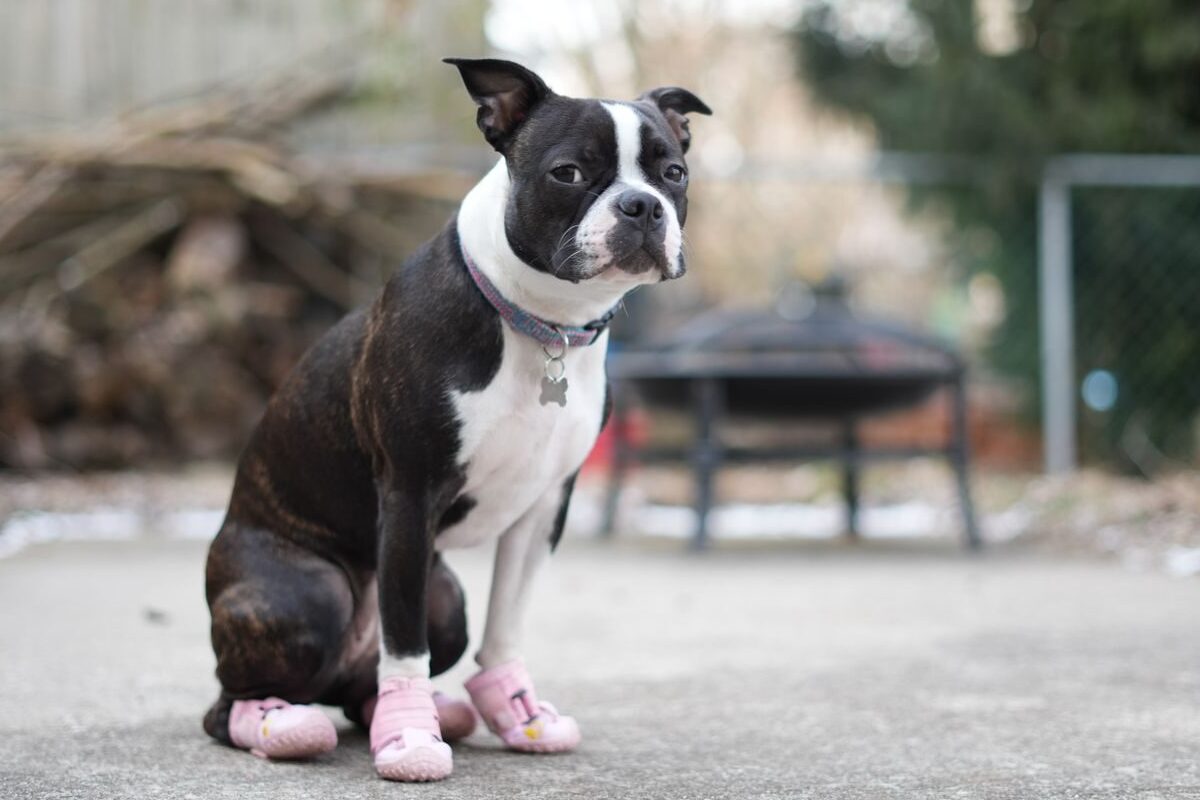
Most dogs never need boots — until the ground itself becomes the problem. Hot pavement burns pads in minutes, winter salt stings cracked paws, and sharp gravel cuts them. Boots are simple protection for those days only: they earn their place on scorching asphalt, salted roads and rough trails, not on ordinary grass walks. Research-based … Read more

Cats are good at hiding that something is wrong: in the wild, showing weakness was dangerous, and pet cats keep that instinct. That is why changes, not single events, are the warning signs. Eating or drinking much more or less, litter-box changes, breathing changes, repeated vomiting or diarrhoea, hiding far more than usual, and weight … Read more
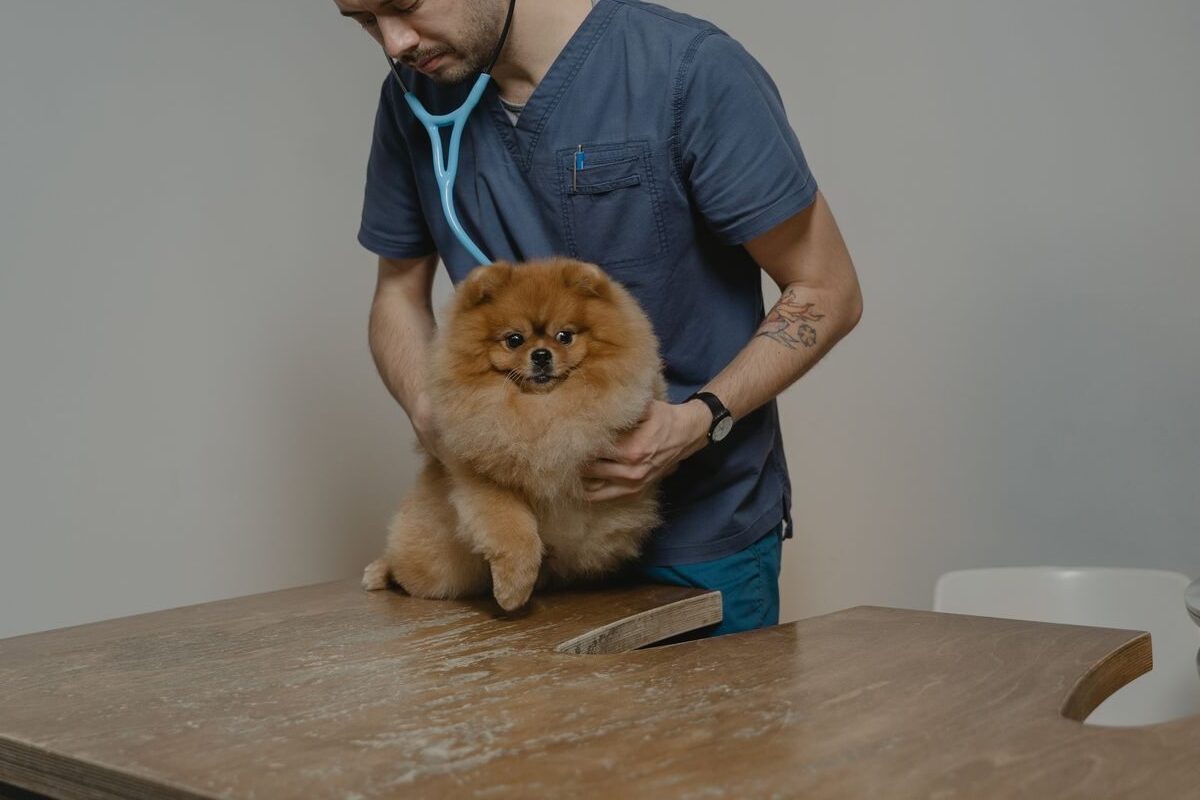
A first vet checkup is much less dramatic than most new owners expect: there is no single big test. The vet spends most of the visit looking, feeling and listening — weight, teeth, ears, eyes, coat, heart and lungs, belly and joints. General information only — this post does not diagnose any dog or replace … Read more
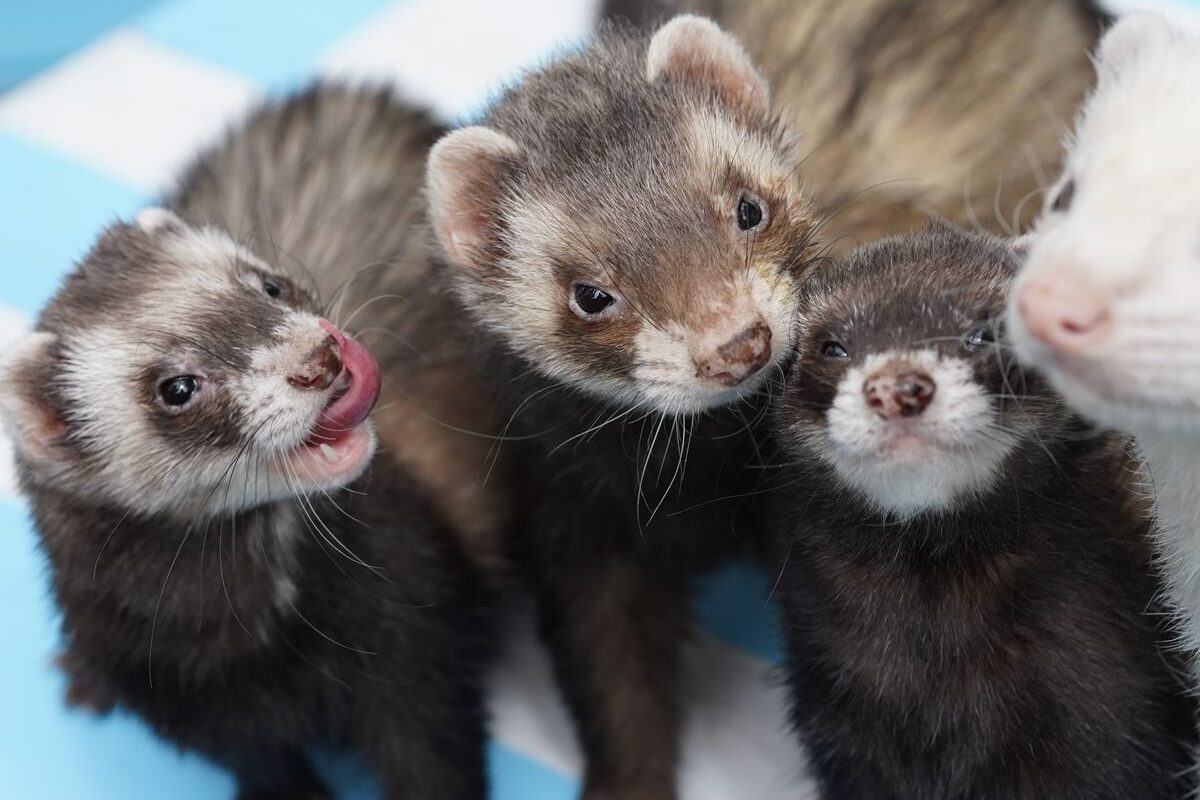
If you have never seen it, the weasel war dance looks like a small animal losing its mind: the ferret arches its back, puffs its tail up like a bottle brush, hops sideways, twists in mid-air, bounces off furniture, and makes a rapid chuckling sound. If you have never seen it, the weasel war dance … Read more
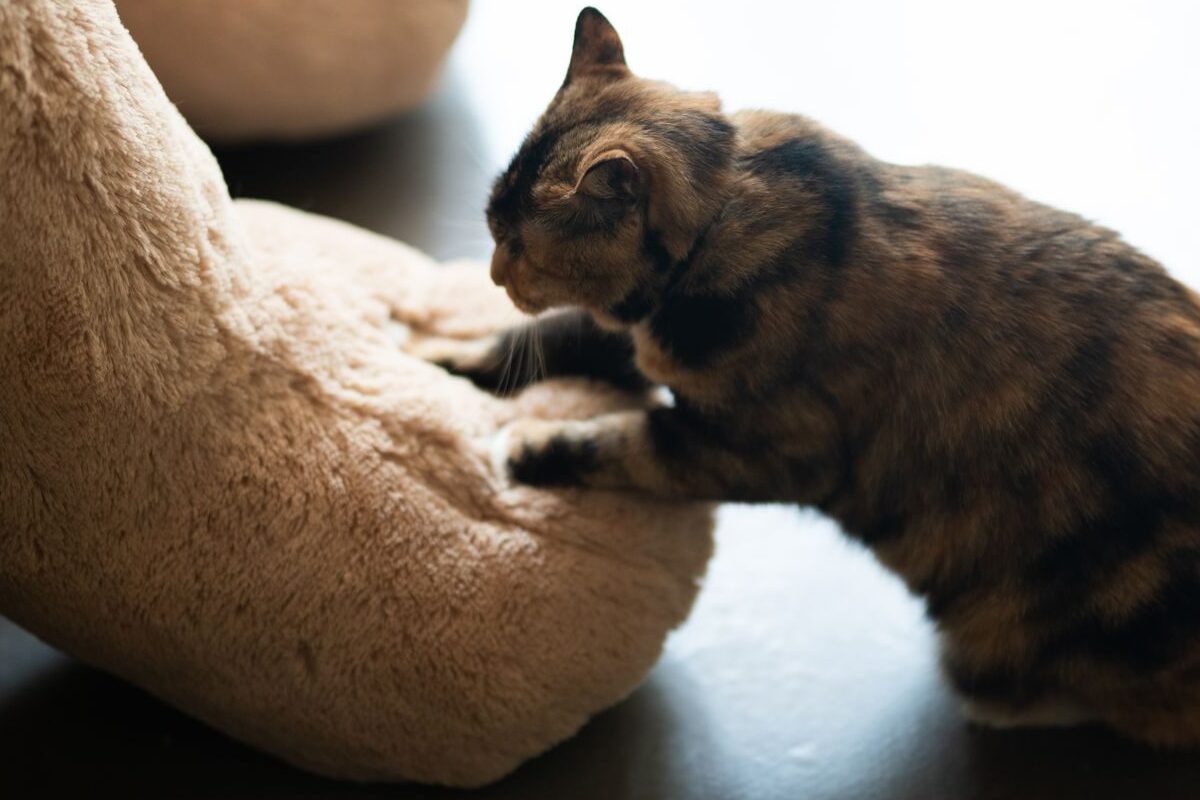
Cats drool for two very different reasons, and context tells them apart. Happy drool happens when a cat kneads, purrs or is petted in a favourite spot, and some cats have done it since kittenhood without anything ever being wrong. Trouble drool is new, heavy, or paired with other changes, and needs a vet check. … Read more

A dog sneezing once or twice is one of the most ordinary sounds in a house with a dog. Dogs sneeze for many of the same reasons people do: dust up the nose, a tickle, a sudden change of air, excitement. A dog that sneezes when he is playing, or after sniffing something interesting, is … Read more
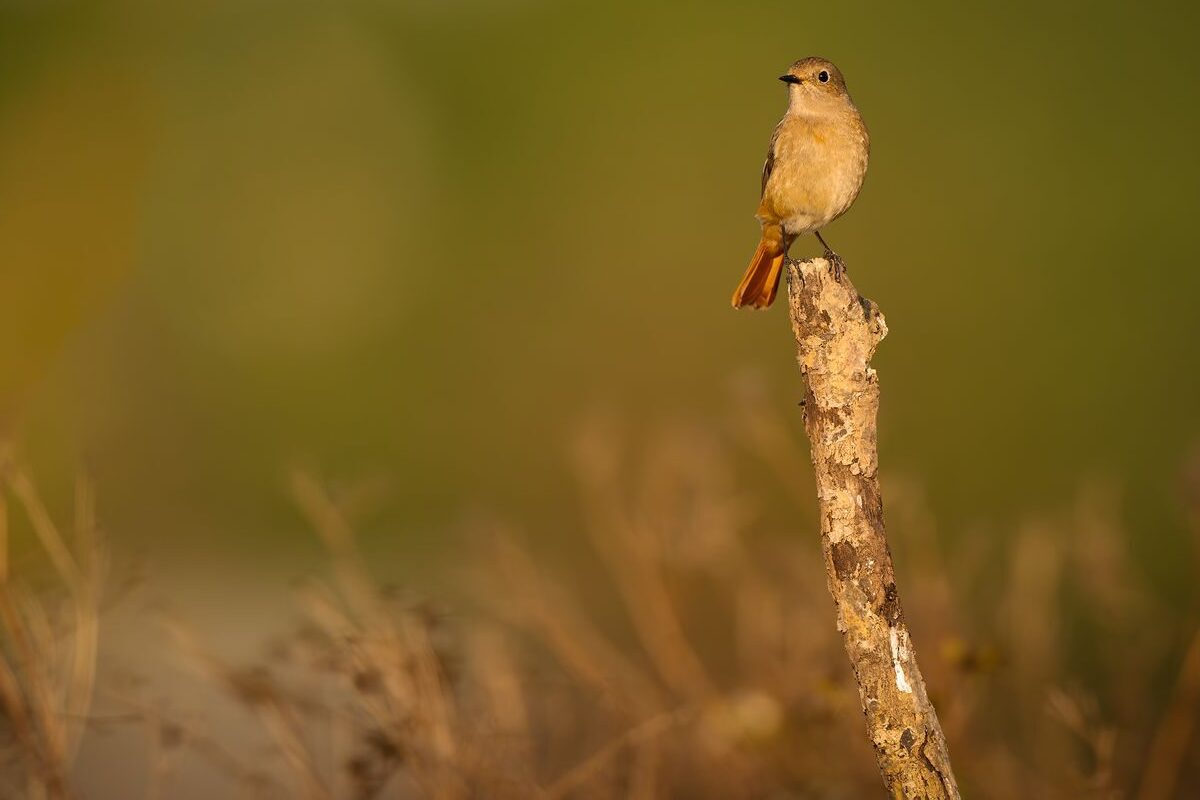
A bird spends most of its life on its feet, and most of that time on a perch. In the wild, a bird stands on branches of all shapes and thicknesses, and its feet flex and shift all day. In a cage with a single dowel, the same two spots on each foot take all … Read more

Every cat owner knows the joke: you buy a beautiful bed, and the cat sleeps in the cardboard box it came in. The joke is funny because it is mostly true, and it is true for a reason. Cats do not choose beds the way we do. They choose warmth, height, safety and a surface … Read more
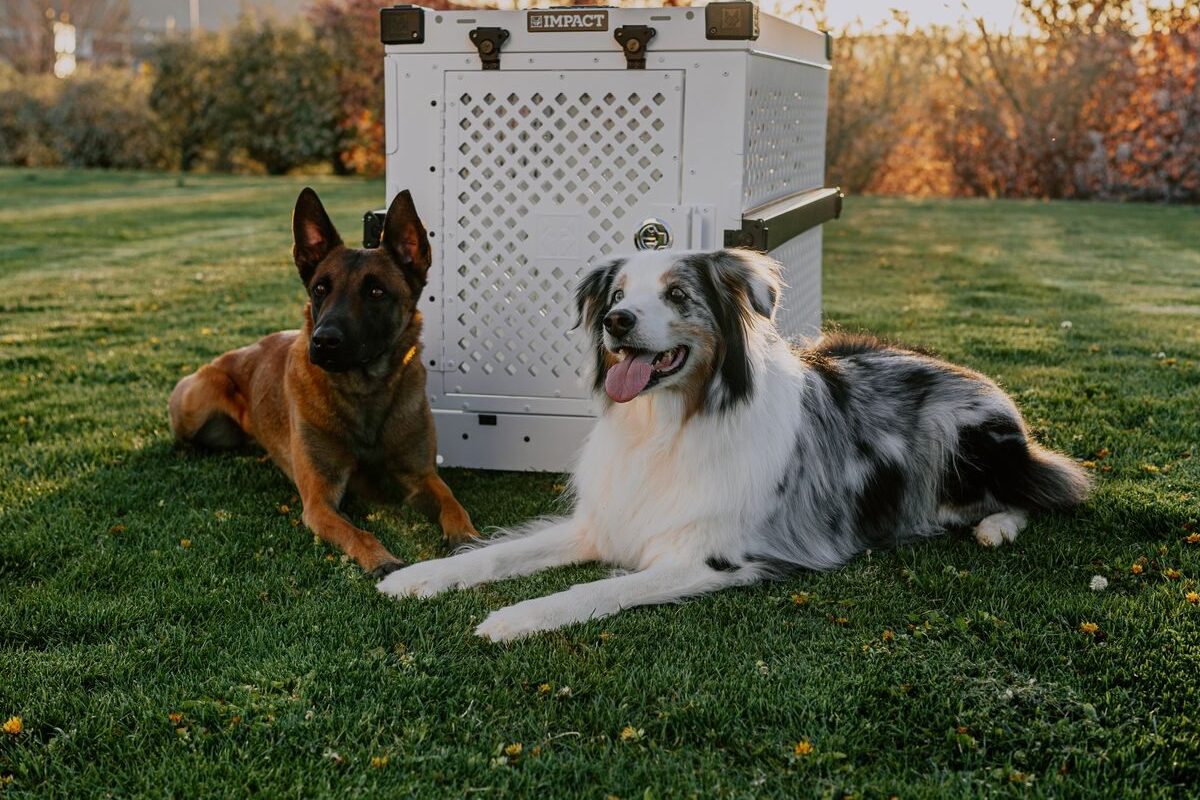
A crate gets a bad reputation from people who have only seen it used badly: a dog shut away for hours, in a box too small to stand up in. Used properly, a crate is the opposite of a punishment. Dogs are den animals: given a fitting crate with the door open, most dogs choose … Read more

There is a particular horror to waking up and finding a dead mouse on your pillow, or a bird on the doormat, delivered with enormous pride by a cat who clearly expects praise. Your cat is teaching you, or sharing with you: mother cats bring prey to kittens, and pet cats treat humans as family … Read more

If you have never heard a rabbit thump, it is startling: a rabbit the size of a small cat can hit the floor hard enough to be heard two rooms away — a single loud drumbeat, or a rapid run of them, from a back foot built for exactly this job. If you have never … Read more
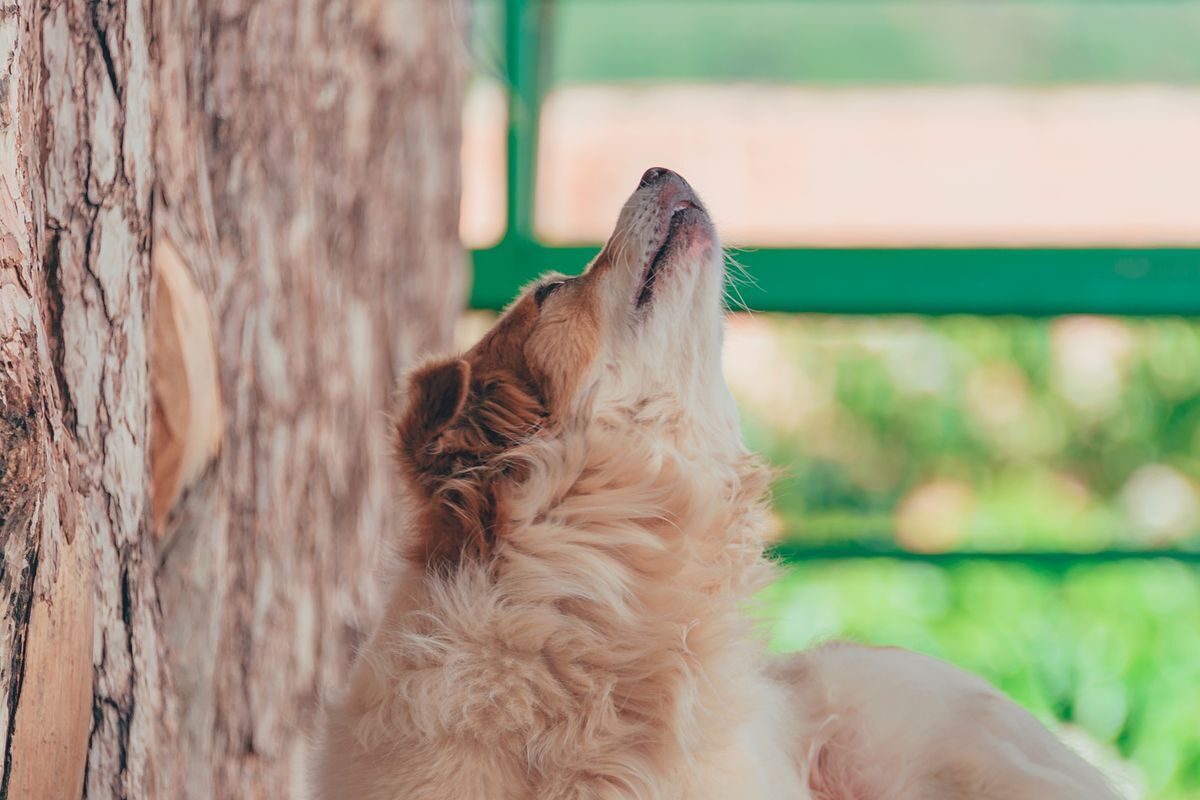
A howl is a very different sound from a bark, and dogs know it: a bark is short, sharp and aimed at something nearby, while a howl is long, carries for miles, and is aimed at whoever might be listening far away. A howl is a very different sound from a bark, and dogs know … Read more

In the wild, a parrot spends most of its day working for food — flying to trees, stripping seed heads, prying open pods. A pet parrot gets the same calories in a bowl, eaten in ten minutes, and then has a whole day left with nothing to do. That gap is where a lot of … Read more

Every dog owner knows the routine: the walk ends, the door opens, and the dog shakes — once, thoroughly, all over the hallway, the sofa, and you. A raincoat does not keep a dog perfectly dry — nothing does, short of not going out. Every dog owner knows the routine: the walk ends, the door … Read more

A cat that eats from a bowl finishes in about ninety seconds and then faces a long, empty stretch until the next meal. In the wild, a cat would spend hours hunting, and that work is not wasted time — it is how a cat’s brain is meant to spend its day. A puzzle feeder … Read more

Every dog owner knows the sound: your dog settles onto his bed with a long, audible sigh, as if the whole day has been a great effort, and then he is asleep within minutes. Sometimes he is just being dramatic. But a dog’s sigh is a real piece of communication, and context tells you which … Read more

If you have ever seen a rabbit binky, you remember it: one second your rabbit is trotting across the floor, and the next he is airborne, body twisted sideways, ears flying, legs kicked out, landing in a heap before tearing off again at full speed. If you have ever seen a rabbit binky, you remember … Read more
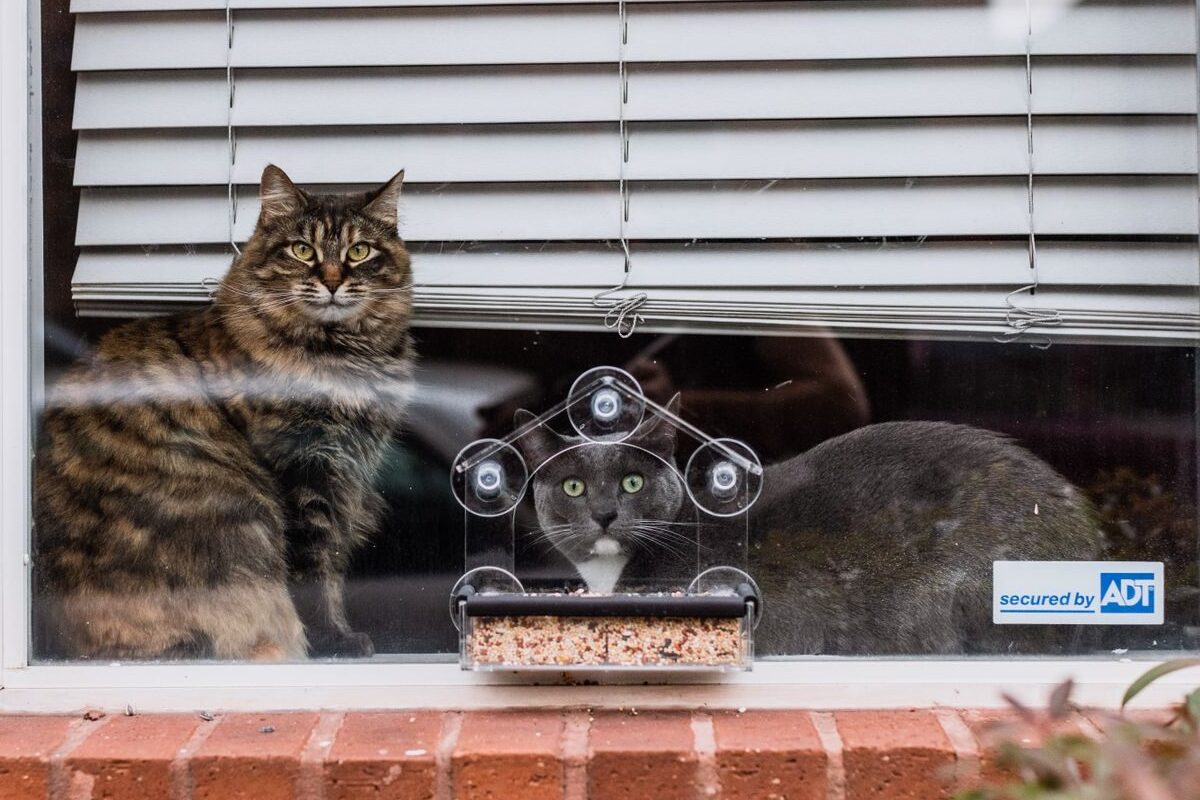
You know the sound: your cat is on the windowsill, body low, eyes locked on a bird outside, and his jaw starts working — a rapid, clicking chatter, sometimes mixed with short, high chirps. It usually means excitement and frustrated hunting instinct: the cat sees prey it cannot reach, and the chatter is the overflow. … Read more
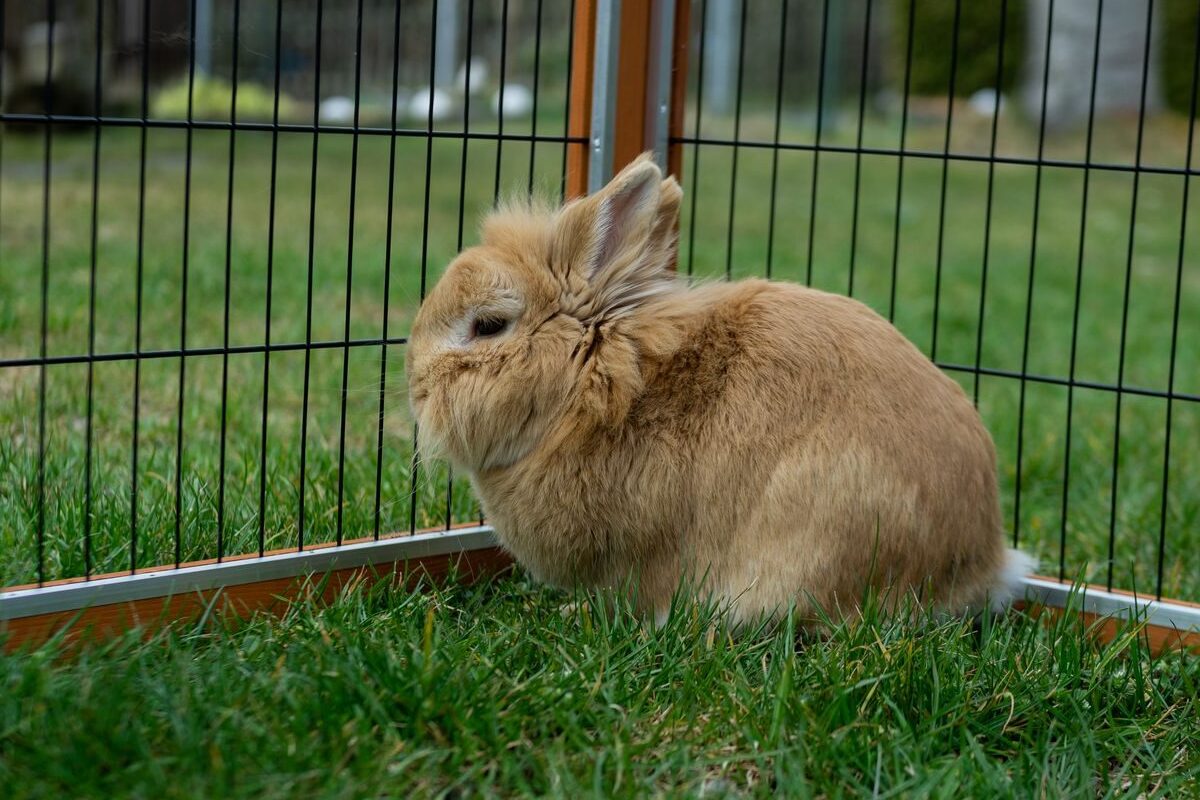
A rabbit in a hutch all day is a rabbit that cannot be a rabbit: rabbits are built to run, graze, dig and leap — the famous binky, that mid-air twist, needs open floor to happen at all. A playpen gives a house rabbit that space: a ring of panels turning part of a room … Read more
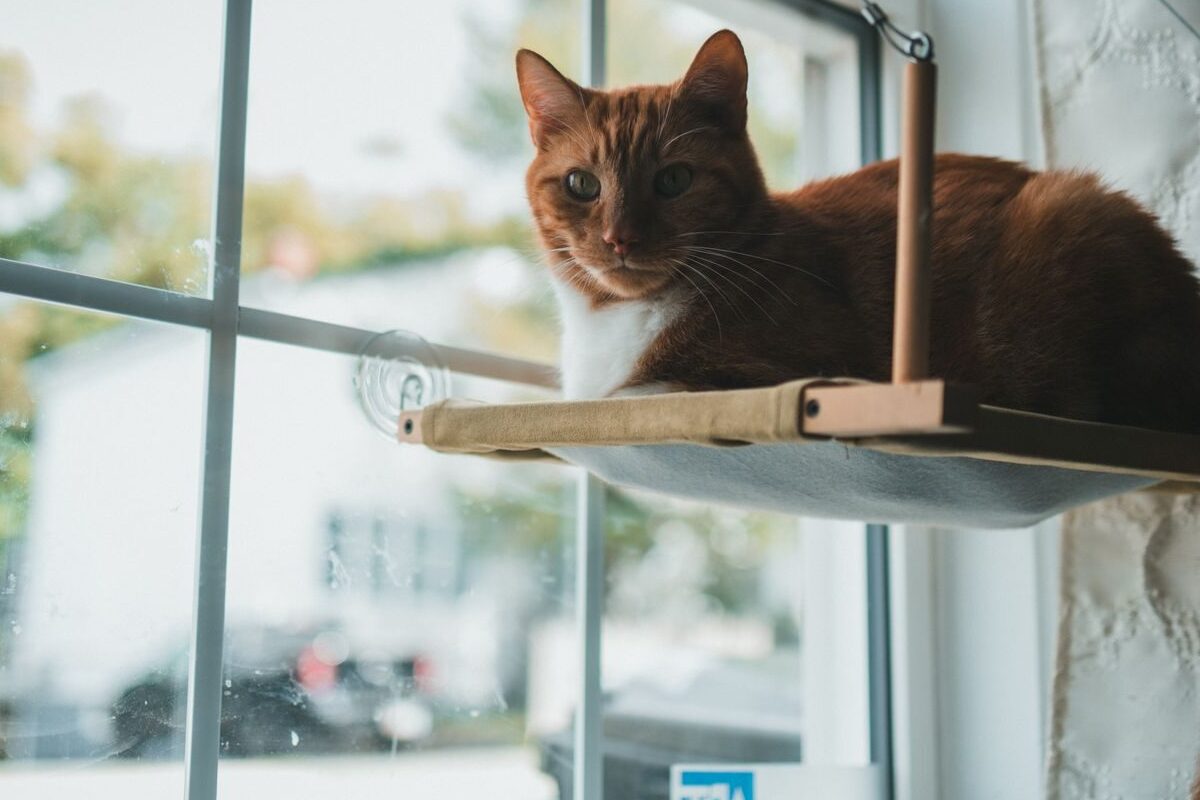
Every cat has a favourite window: where the birds are, where the sun lands in the afternoon, and where the whole street can be supervised in comfort. A window hammock turns that spot from a cold sill into a proper perch. Every cat has a favourite window. It is where the birds are, where the … Read more

Your dog used to bounce up when you opened the bedroom door; now there is a pause, a stretch, a slow heave to standing, and then he is fine. Older dogs sleep longer and deeper, and the bed they sleep on starts to matter in a way it never did when they were young. You … Read more
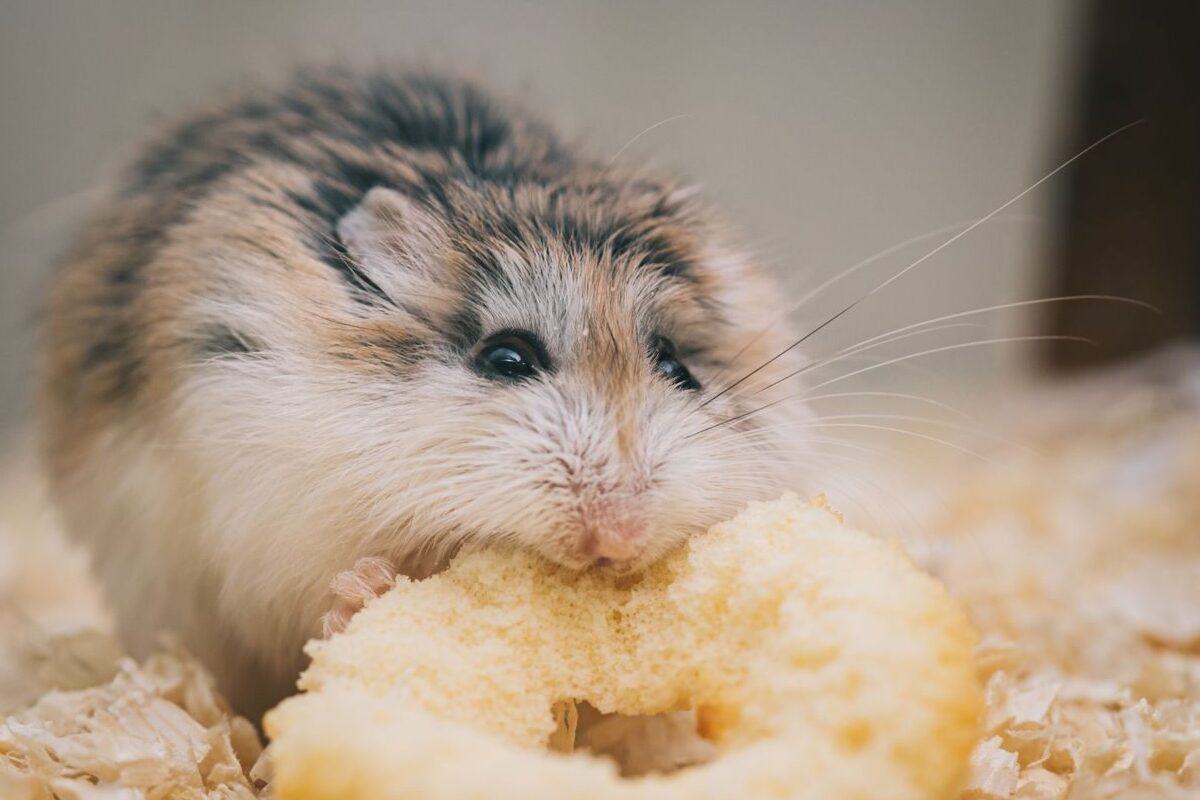
Few sights in pet keeping are funnier than a hamster with its cheeks stuffed so full it can barely see past them. It looks absurd, and it looks uncomfortable, and new owners often worry something is wrong. Usually, nothing is wrong at all. A hamster stuffing its cheeks is doing one of the most normal … Read more

Every ferret owner has the same story: you put your keys down, turn around, and they are gone — found three days later behind the sofa, next to a sock, a pen, and something you do not even recognise. Ferrets are not being naughty: they are doing exactly what ferrets evolved to do. Every ferret … Read more

Hay is not a side dish for a rabbit: it should make up most of what a rabbit eats every day, keeping the gut moving and wearing the teeth down, which grow continuously. A rabbit without constant access to good hay is heading for dental and digestive trouble. Hay is not a side dish for … Read more

A wheel is not a toy for a hamster: in the wild, hamsters travel long distances every night looking for food, and a pet hamster keeps that same urge. Without a wheel, that energy goes into bar chewing, climbing, pacing and restlessness. A wheel is not a toy for a hamster. In the wild, hamsters … Read more
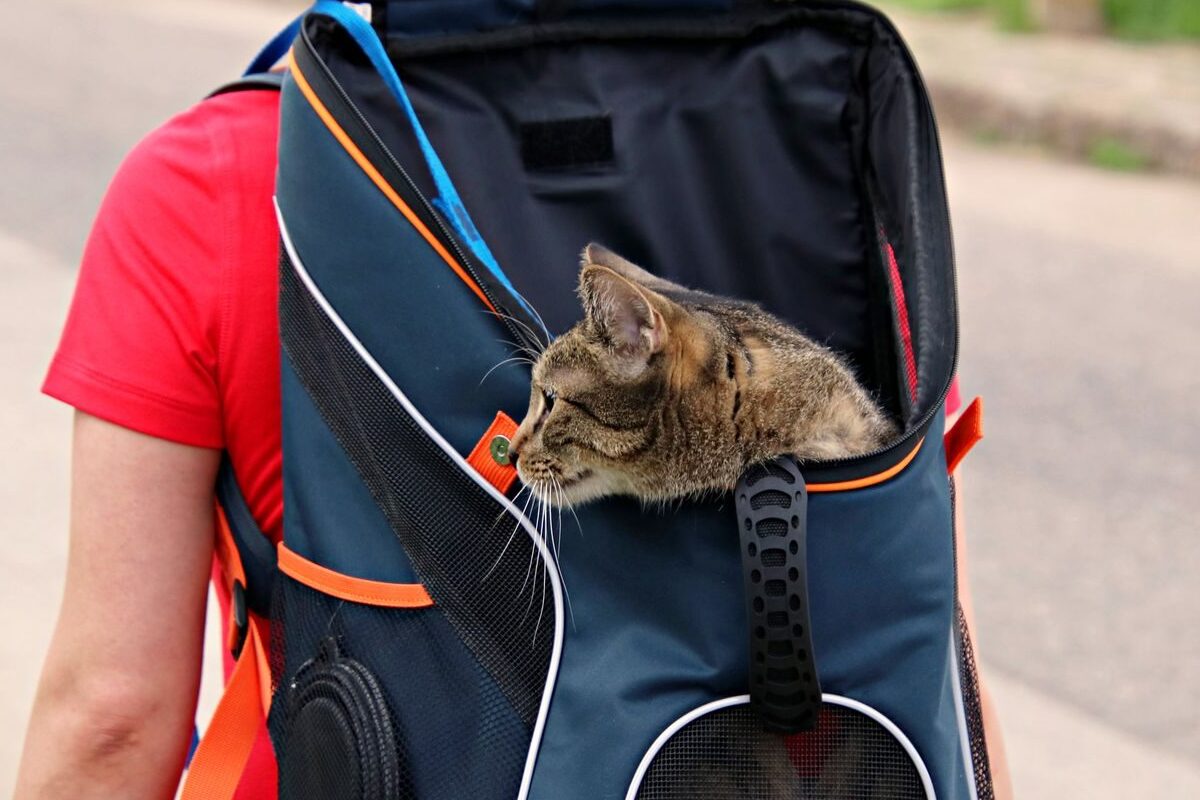
For most cats, the worst part of a vet visit is not the vet — it is the carrier. The cat sees it come out of the cupboard, disappears under the bed, and by the time it is caught and zipped in, the whole trip starts with stress. For most cats, the worst part of … Read more
You cannot make a cat sleep with you — you can only make your bed the place it wants to choose. Cats pick sleeping spots for warmth, safety and familiar scent, so the gentle route is warmth first, a blanket that smells like you, and a calm bedtime routine. There is a quiet that comes … Read more

Head-bobbing is one of the most characteristic budgie behaviours there is: the bird bobs its head up and down, sometimes frantically, and owners often worry something is wrong. Most of the time, nothing is wrong at all — head-bobbing is courtship, excitement, greeting, or, in babies, hunger. If you have ever watched a budgie bob … Read more

Bringing a new cat home is exciting, and the temptation is to open the carrier in the living room and let it explore. For most cats, that is far too much at once: a new home is a wall of unfamiliar smells, sounds and territory. Bringing a new cat home is exciting, and the temptation … Read more
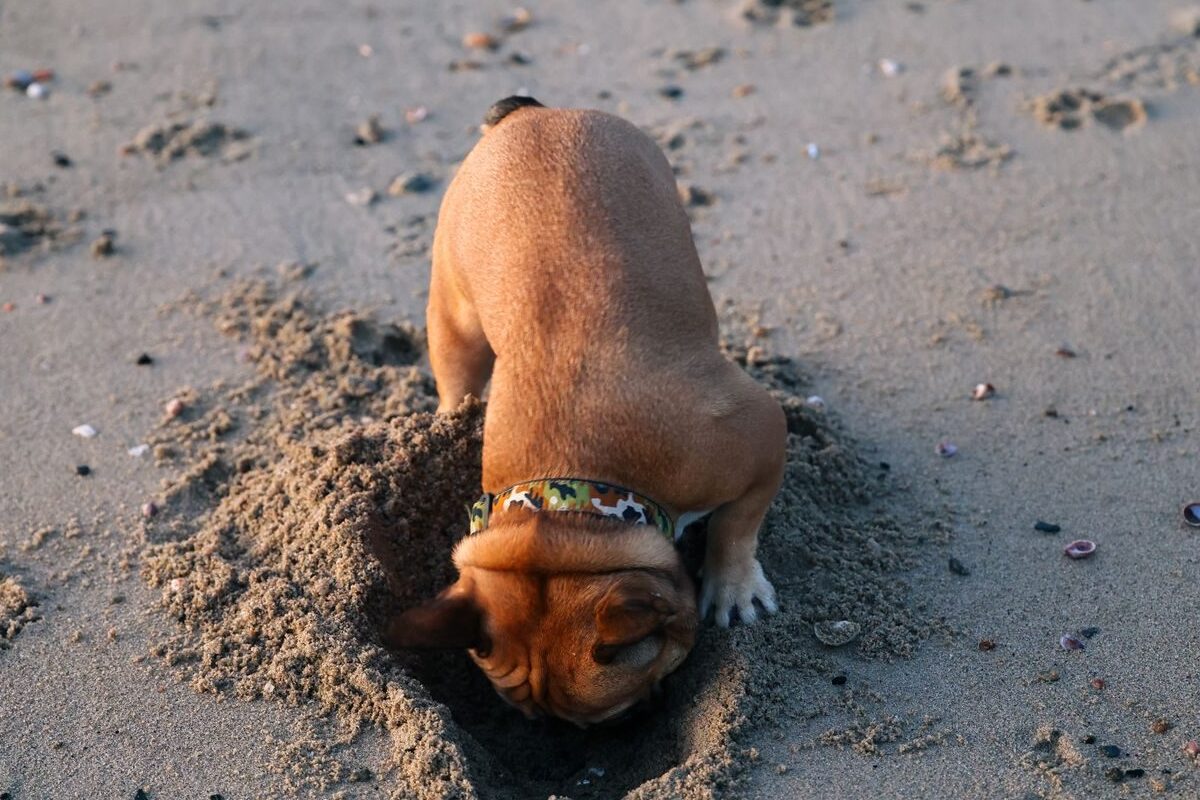
Digging is one of the most normal dog behaviours there is, and also one of the most annoying when it wrecks a lawn. Digging almost always has a reason: instinct, boredom, cooling down on hot days, burying food or toys, or escaping under a fence. Every dog owner with a garden knows the scene: a … Read more

Scratching is not bad behaviour: cats scratch to stretch their shoulders and back, to shed old claw sheaths, and to leave scent marks from glands in their paws. A cat with nowhere good to scratch will pick the sofa, the rug or the door fram. Scratching is not bad behaviour. Cats scratch to stretch their … Read more

Rabbits and ferrets are often lumped together as “small pets”, but their litter boxes are not interchangeable. A rabbit needs a box big enough to sit in fully, with room to spare, and low enough to hop into easily, with hay nearby. Rabbits and ferrets are often lumped together as“ small pets”, but their litter … Read more

Cats are not big drinkers by nature: they evolved to get a lot of their moisture from food, and many cats on dry food simply do not drink enough from a still bowl. That is why vets often encourage anything that increases water intake. Cats are not big drinkers by nature. They evolved to get … Read more
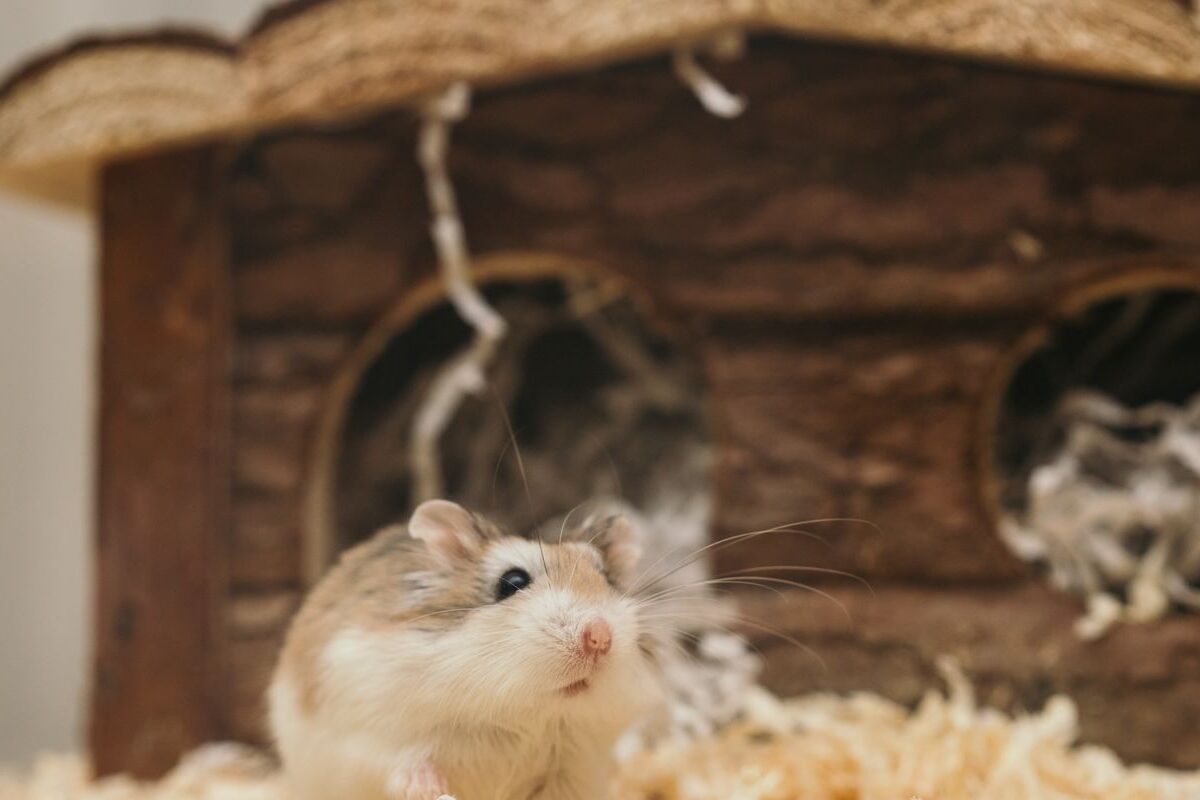
There is no single number that works for every hamster cage, and that is why advice online seems to disagree. A small cage with shallow bedding fouls faster than a large cage with deep bedding. The routine that works is daily spot cleaning, a weekly refresh that does not strip the cage, and a full … Read more
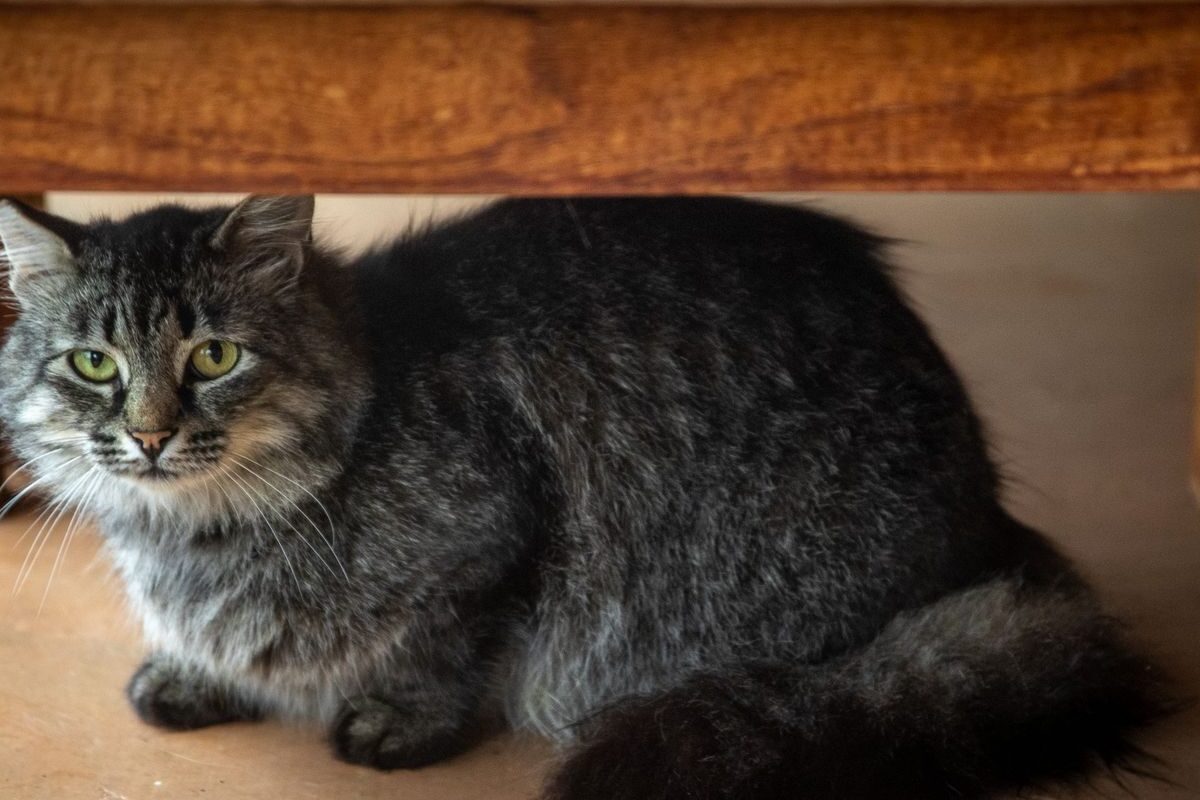
Most of the time, hiding is completely normal. Cats are both hunters and, in the wild, prey for larger animals, so hiding is built into them: a safe, enclosed spot is where a cat rests, watches and feels secure. Normal hiding is relaxed — the cat eats, drinks, uses the litter box and comes out … Read more

Why Do Dogs Bark at Strangers? Barking is how dogs talk — the problem is not that a dog barks, but that some dogs bark at every unfamiliar person they see, on walks and at the front door, and cannot switch off again. That kind of barking usually has a reason — fear, territory, excitement, … Read more

Best Flight Cages for Budgies and Parrots A flight cage is not just a bigger cage — it is a cage wide enough for a bird to make short flights from perch to perch, instead of just hopping up and down. That matters because budgies, cockatiels and parrots are horizontal fliers: they dart side to … Read more
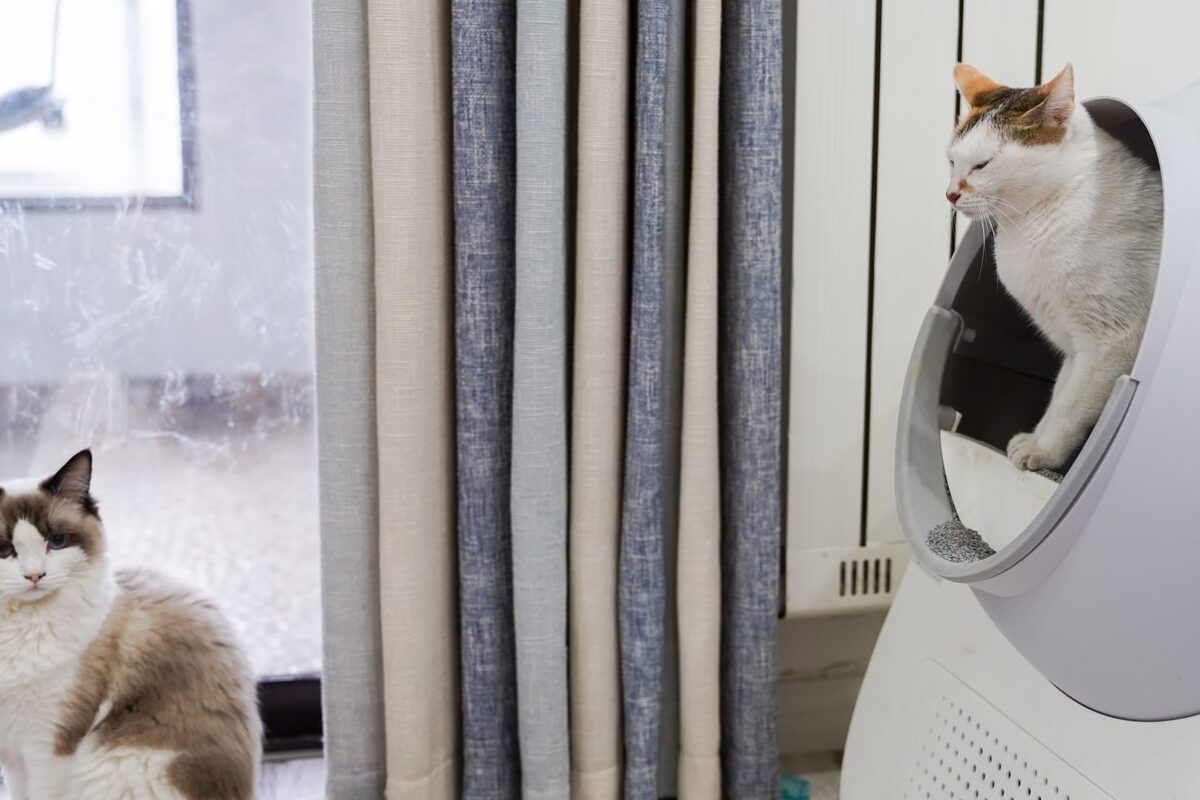
Most litter problems are not really about the box — they are about what is in the box, how often it is scooped, and whether the cat actually likes using it. A cat that avoids the box is usually telling you something, and scented litter is one of the first things worth questioning. Best Cat … Read more

A bored dog will not just sit quietly — boredom and spare energy are behind a lot of digging, chewing furniture and shoes, and barking at nothing in particular. Enrichment toys help because they give that energy somewhere sensible to go, working the brain as well as the body. Best Dog Enrichment Toys for Bored … Read more

Yes, do ferrets smell is a fair question with an honest answer: ferrets have a natural, musky odour that comes from oil glands in their skin, and it never disappears completely. A neutered ferret in a clean home smells far less strong than an intact ferret in a dirty one, though, and most of what … Read more

Buy for unbroken floor space first: Blue Cross, PDSA and Wood Green now advise at least 100 cm by 50 cm for all species, and levels and tubes do not count towards floor space, because a hamster lives on the ground and in burrows, not on shelves. A good hamster cage setup starts with space … Read more

Rabbits are social animals: the RSPCA and the Rabbit Welfare Association & Fund say rabbits need the company of their own kind. Both rabbits should be neutered first, and males can stay fertile for up to six weeks after the operation. If you want to know how to bond rabbits well, do it slowly, on … Read more
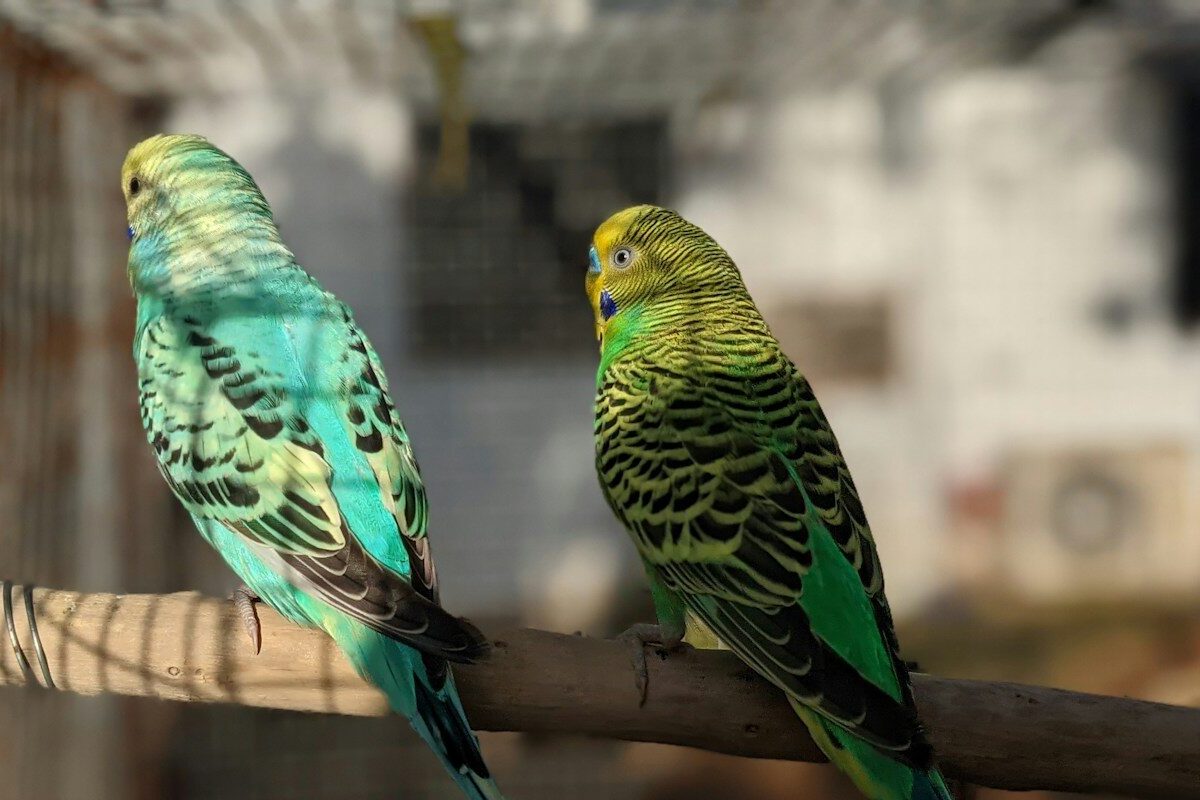
Pet budgies commonly live 5 to 10 years. PetMD puts captive budgies at 7 to 15 years, Birdfact puts the typical pet range at 6 to 12, and both agree the top end takes excellent care. Wild budgies live around 4 to 6 years, facing predators, hard seasons and no vet care. There is no … Read more
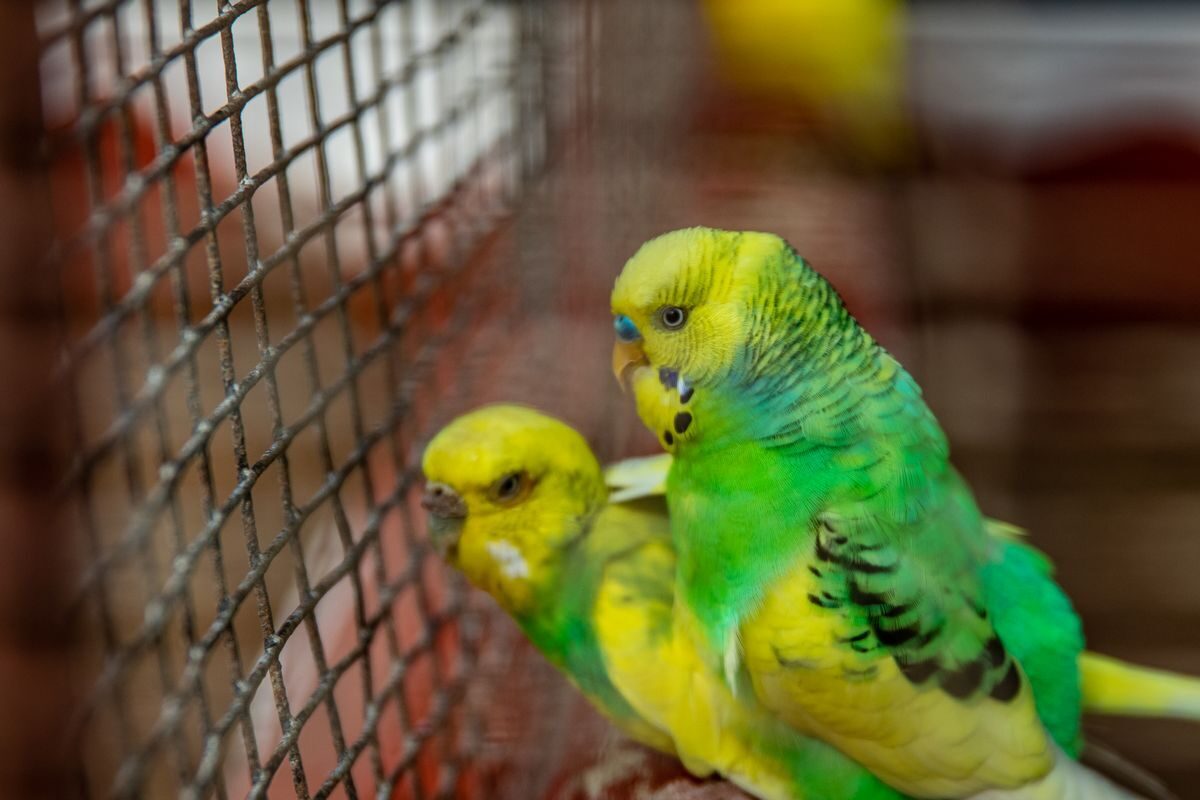
Mirror toys are not automatically bad, but they are risky for budgies, because a mirror looks like a companion who never behaves like a real flock mate. The main worries are obsession: bonding to the reflection, feeding it by regurgitating, courtship behaviour, and frustration when nothing comes back. So, are mirror toys bad for budgies? … Read more
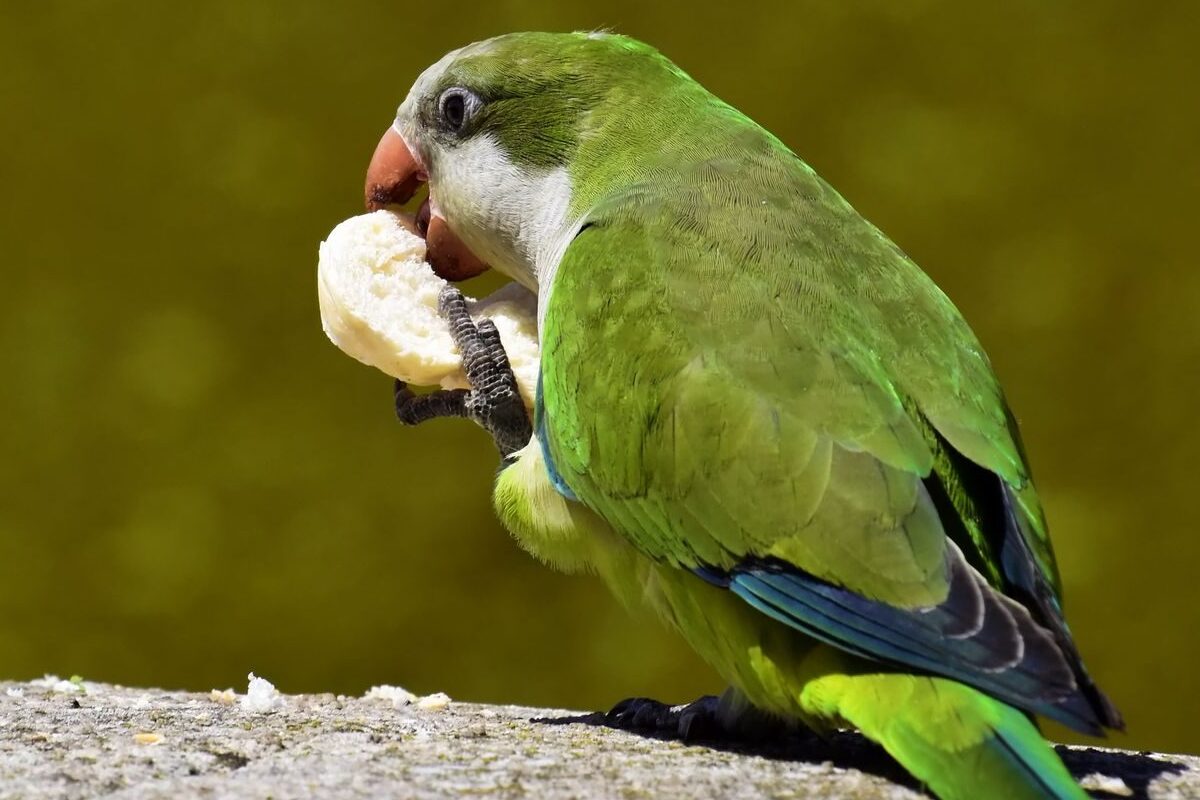
An all-seed diet is high in fat and low in vitamin A and calcium, and birds pick out favourites, making it even less balanced. Pellets are the usual base: many avian vets put them at roughly 60 to 80 percent of the diet, with fresh food making up most of the rest. If you are … Read more

Senior means the last 25 percent of expected lifespan: giant breeds can be seniors at 5 to 7, while small breeds often are not seniors until 10 to 12. Twice-yearly vet checks are the common guidance for senior dogs, because health can change fast. Senior dog care starts with a shift in timing: a dog … Read more

Dogs jump to greet face to face and get attention, and any attention — talking, touching, pushing away, even scolding — can reward the jump. The core rule is simple: jumping turns attention off, four paws on the floor turns it back on. Most dogs jump up because it has worked: jumping gets faces closer, … Read more
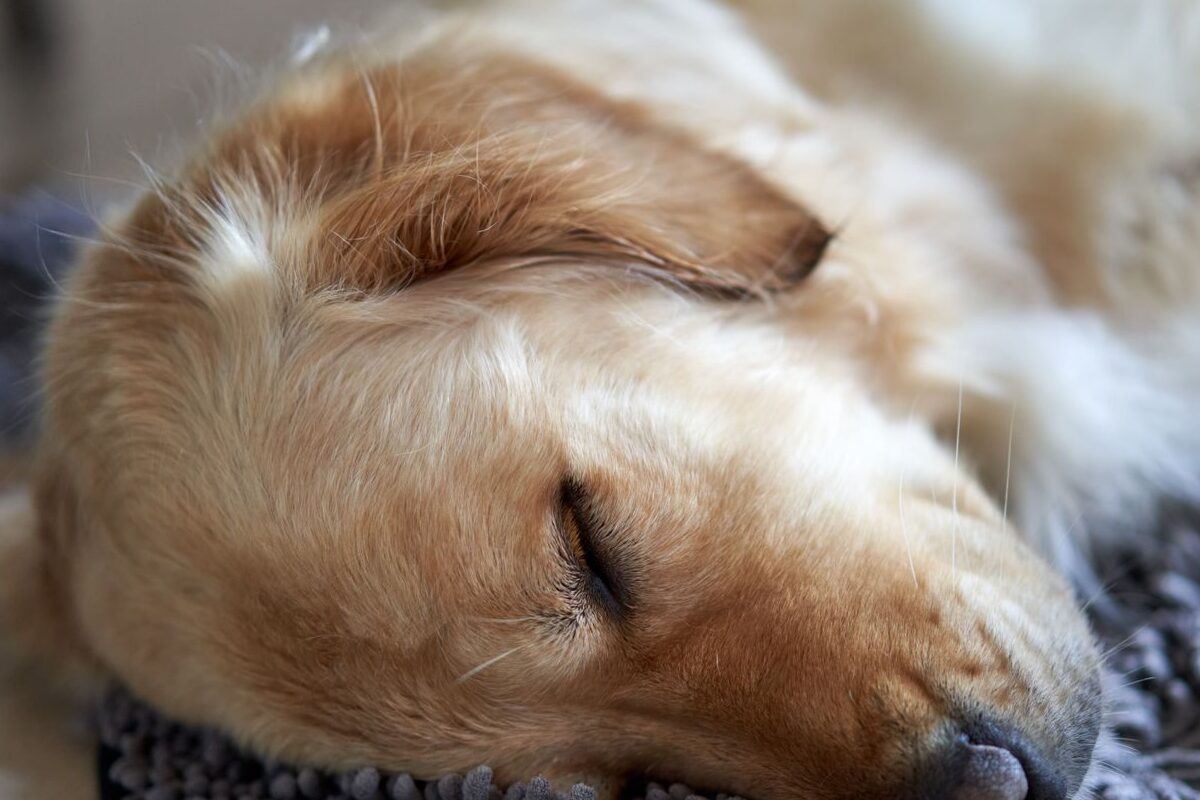
Dog sleeping positions give clues about comfort and temperature, not fixed messages. Side sleeping usually suggests a relaxed dog who feels safe, with the belly partly exposed. Curled up in a donut conserves body heat and protects the belly, and is common in cooler weather and new surroundings. A dog flat on their side, legs … Read more
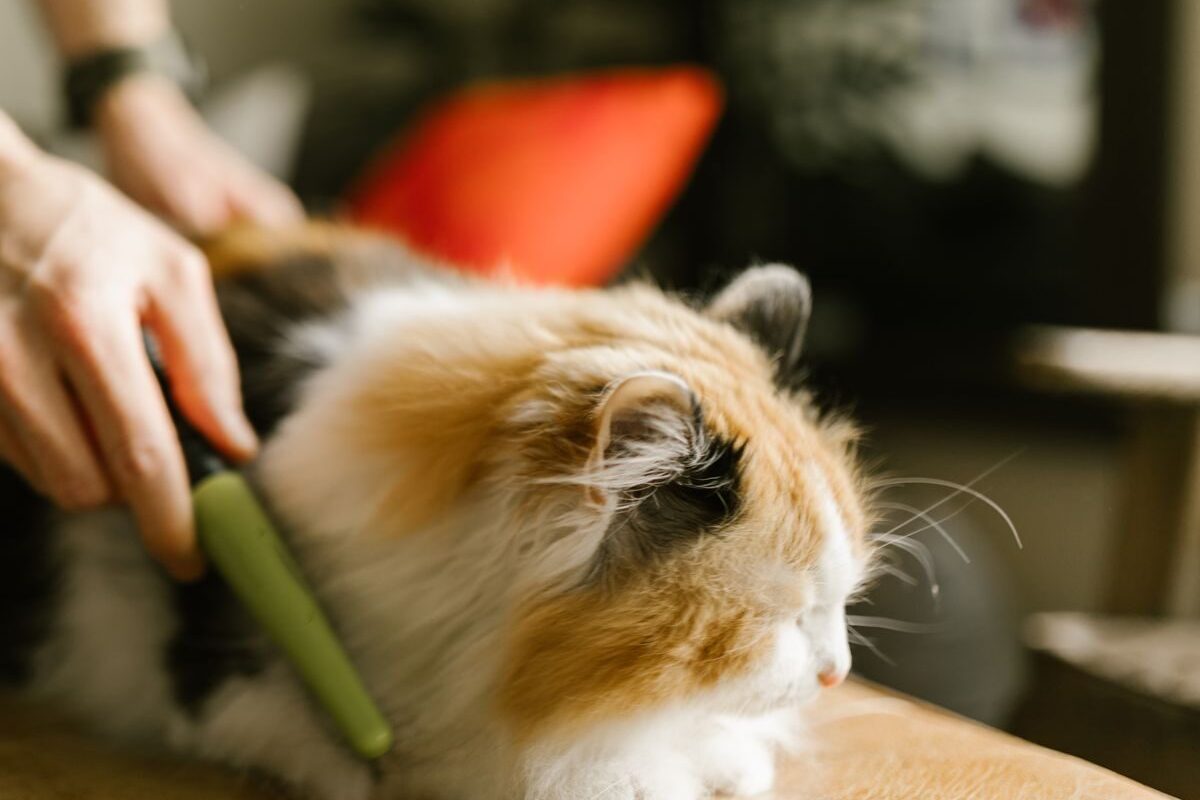
Long-haired cats need daily brushing, or at least several sessions a week — RSPCA guidance recommends daily brushing with a wide-toothed comb or slicker brush. The core kit is a stainless steel comb, a slicker brush and, for thick double coats, an undercoat rake used gently on a mat-free coat. Learning how to groom a … Read more

A single vomit in a cat who stays bright, eats, drinks and behaves normally is usually something to watch at home, not an emergency. Call your vet promptly if your cat vomits more than twice in 24 hours, or shows blood in vomit, unproductive retching, weakness, or not eating or drinking. Knowing cat vomiting when … Read more
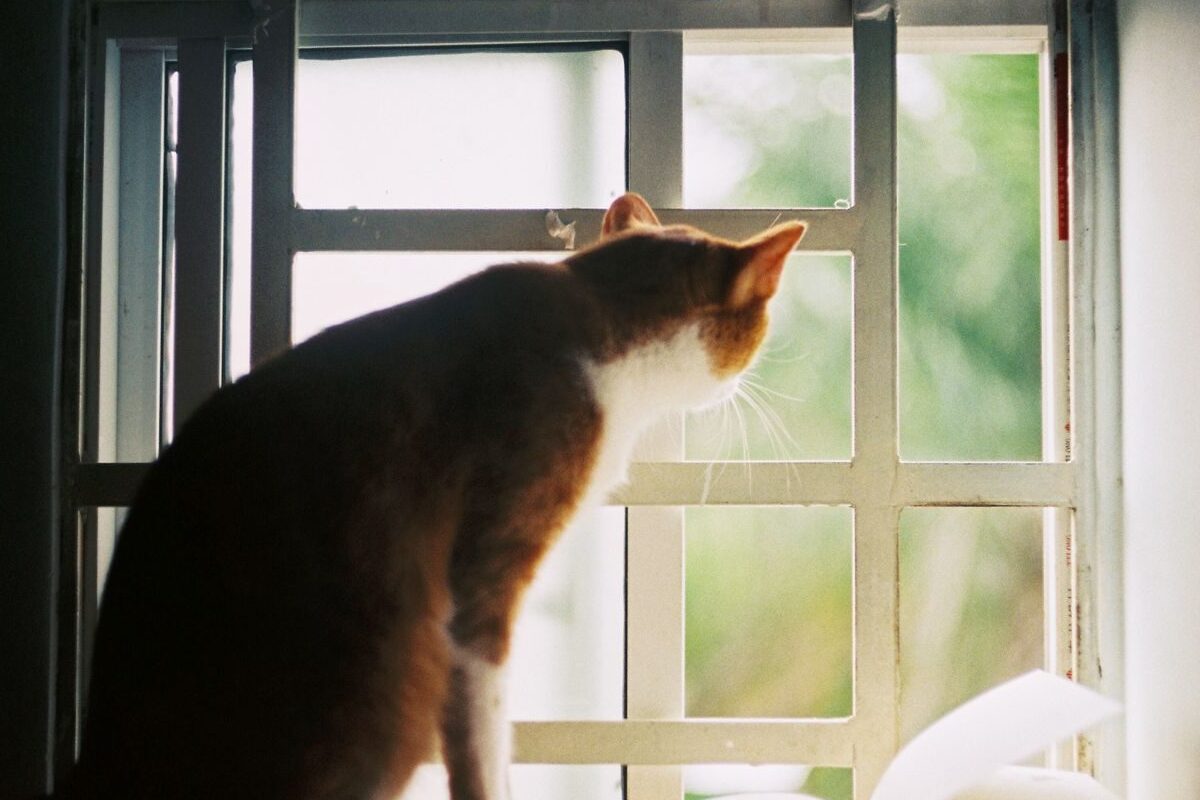
Indoor cats are commonly cited as living 15 to 17 years, while outdoor cats are cited at 2 to 5 years in the PetMD summary of University of California-Davis research — averages, not promises for any single cat. Traffic, predators, fights, infectious disease, parasites and poisons are the main outdoor risks listed by vets and … Read more
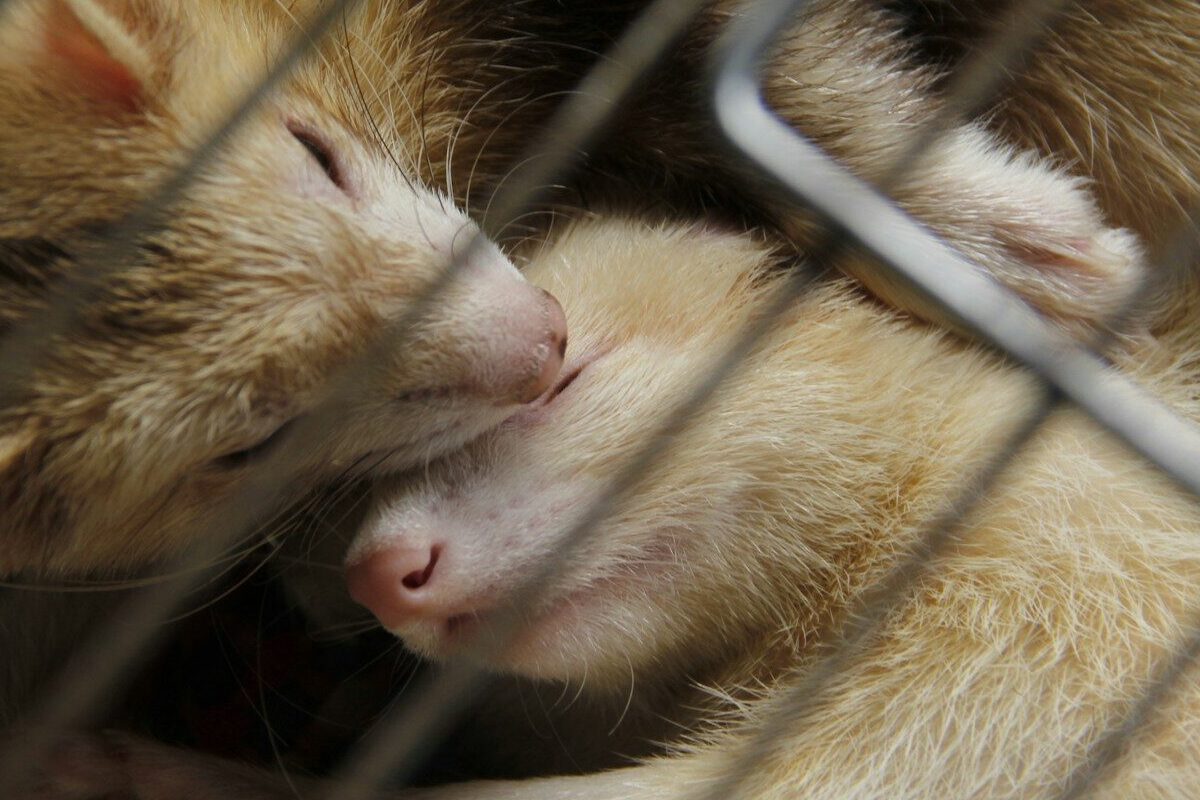
Healthy ferrets sleep a lot: sources give 12 to 18 hours (VCA), 14 to 18 hours (Petco) and 18 to 20 hours (PetMD), and the number varies by source, age and individual. Ferrets are most active around dawn and dusk, and many adjust their awake times to their owner’s routine. Ferret sleeping habits look extreme … Read more

Let the rabbit choose the corner: put the box where your rabbit already urinates, even if you move the furniture, not the habit. Use a box big enough to turn around and stretch out in, lined with paper-based litter and hay at one end. Learning how to litter train a rabbit is mostly about following … Read more

A Syrian grows to about 5 to 7 inches and must live alone — adults housed together are territorial and prone to fighting. Dwarfs grow to about 2 to 4 inches by species, are quicker, lighter and harder for small hands to hold safely. The dwarf hamster vs Syrian hamster choice comes down to handling … Read more
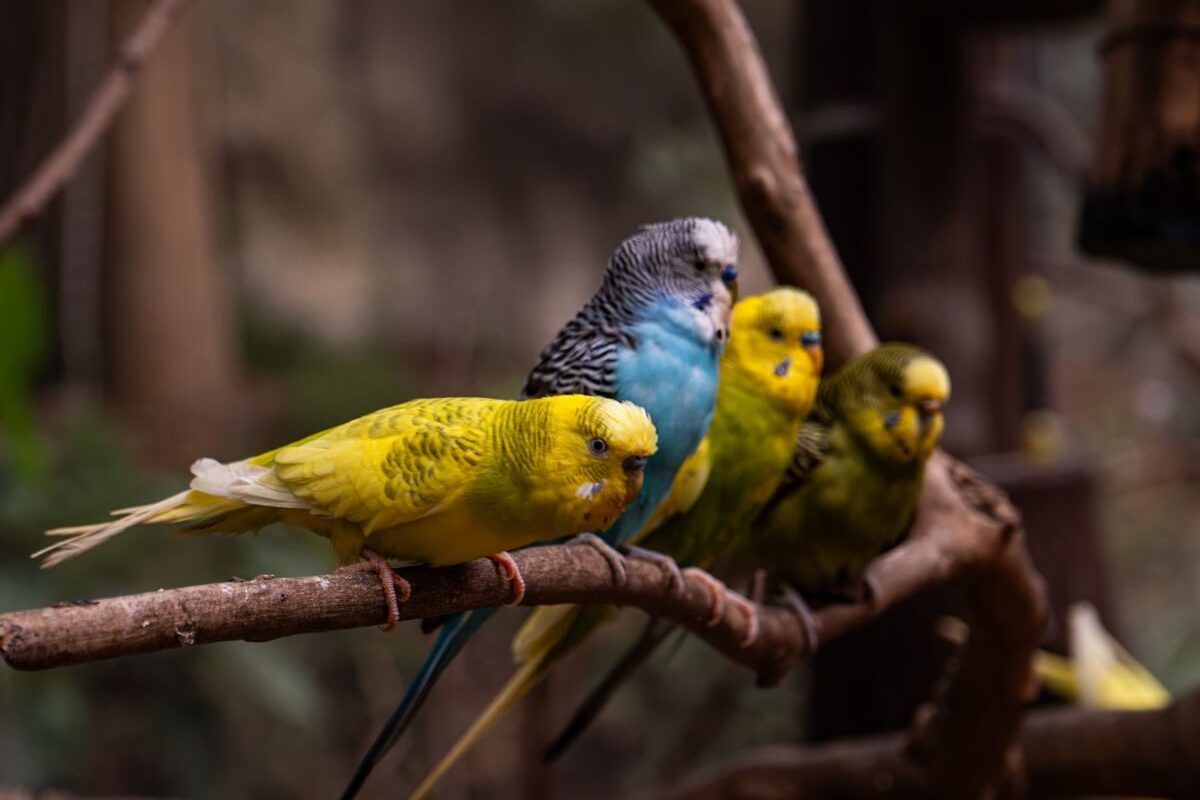
In the early days, biting is most likely fear: a new, untrusting bird and a too-fast approach are at the top of the list. Budgies usually warn first — eye pinning, beak opening or clicking, lunging, hissing, flattened or fluffed feathers and leaning away. Most budgies bite because something has pushed them past what they … Read more

For most beginners, a budgie or a cockatiel is the best first pet bird: both can be tamed, both learn routines, and both need daily company. If you want watch-and-listen rather than handling, a canary or finches suit better, since their pleasure is song and flock activity. The best first pet bird depends on what … Read more
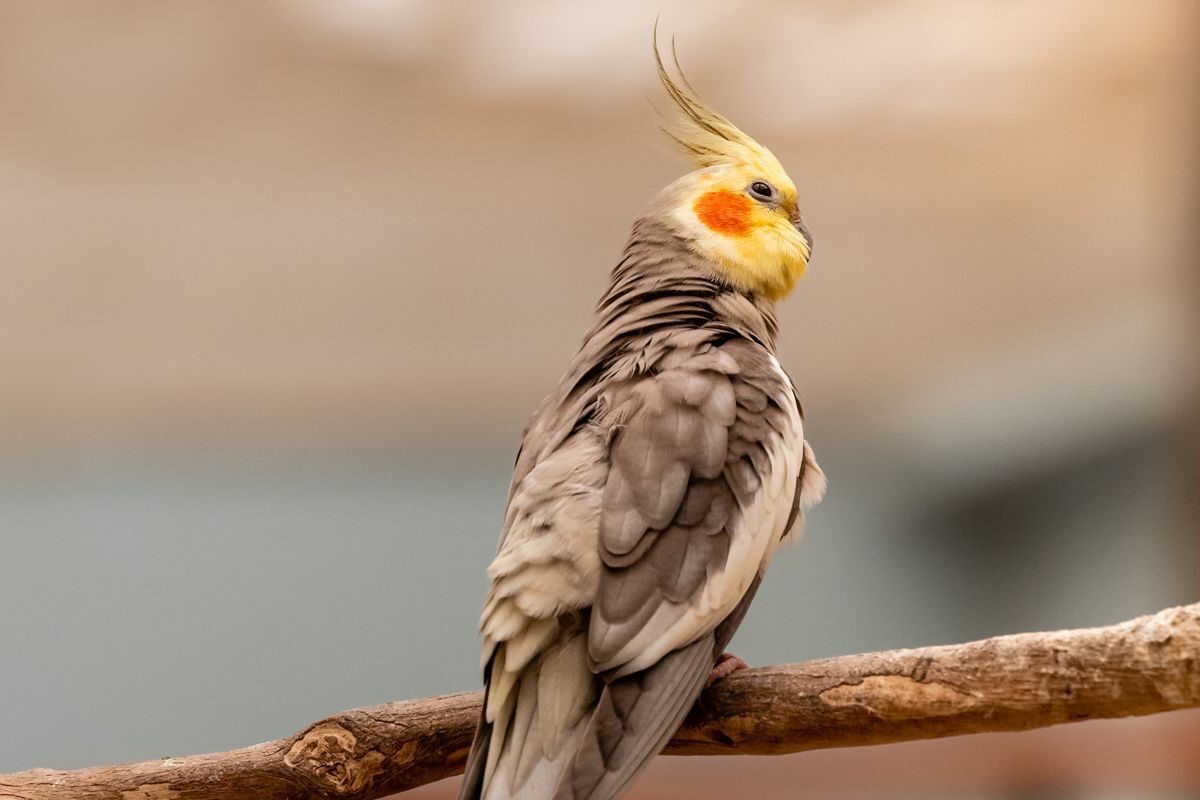
Cockatiel care starts with the widest cage you can fit, with bar spacing about 1/2 to 3/4 inch, and pellets as the food base — PetMD puts a complete pelleted food at 60 to 70 percent of the diet, with vegetables, fruit and treats making up the rest. Cockatiel care for beginners comes down to … Read more
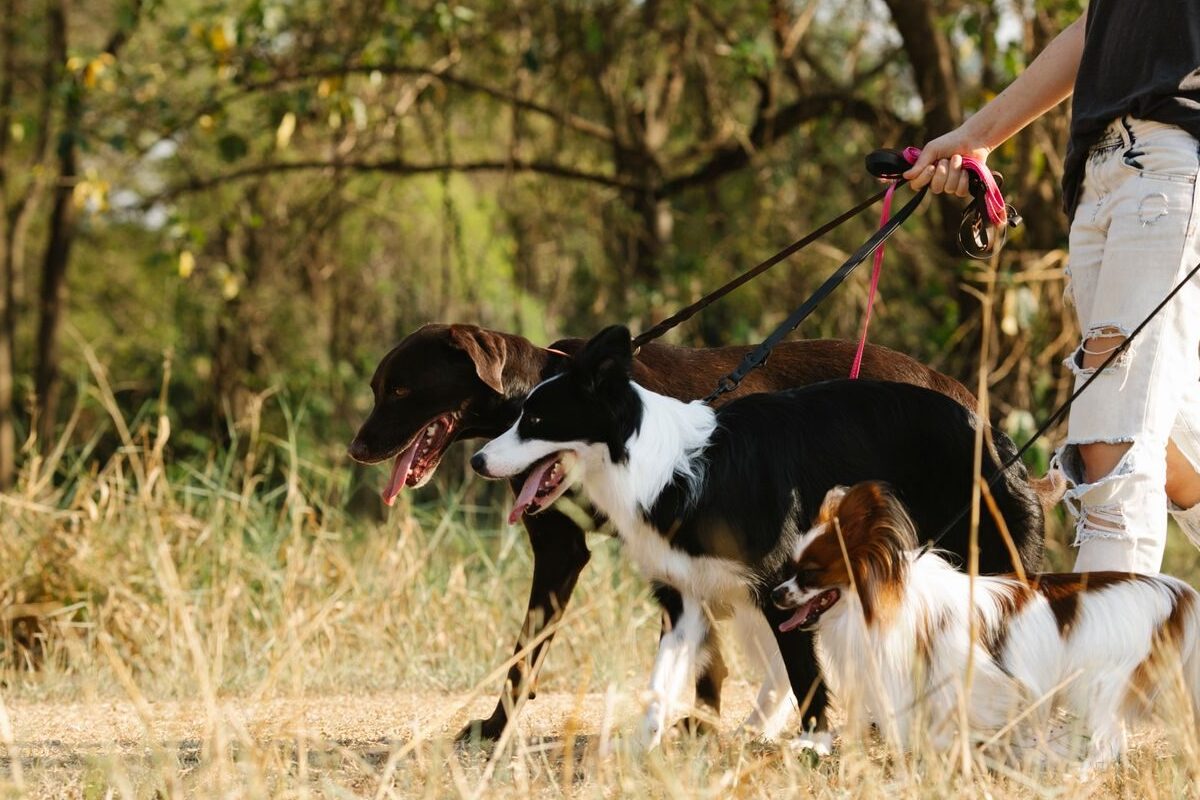
Dogs pull mainly because pulling works: it has always got them to the smell, the dog or the park gate faster. Reward the walking you want — praise and treat the moment the lead hangs loose and your dog checks in with you. Leash training a dog that pulls works by reversing what pulling pays … Read more

Dogs lick people because licking is normal, learned behaviour: mothers lick puppies from birth, and adult dogs lick for affection and bonding, for salty taste and familiar scent, to ask for attention, and to show appeasement. Your reaction teaches it — laughing, stroking, talking or even pushing the dog away can all reward licking. The … Read more

As a rule of thumb, about 1 ounce of water per pound of body weight a day, or roughly 40 to 60 ml per kilogram. Do not ration to that number: healthy dogs should have free access to fresh water unless your vet says otherwise. The short answer to “how much water should a dog … Read more

Scratching is normal and necessary: it conditions claws, stretches muscles, and leaves visible and scent marks. Punishment does not work — it teaches the cat to scratch when you are out, and adds stress. A good scratcher is sturdy and tall or long enough for a full-body stretch, placed beside the furniture the cat already … Read more

Purring is a continuous vibration made as a cat breathes both in and out, which is why it can run on without a pause. Kittens can purr from about two days old, before they can see or hear, and mother and kittens use it to stay in contact while nursing. Cats purr for several different … Read more

Kittens up to six months usually need three meals a day, and from six months to one year, two meals a day. Healthy adults do well on one or two meals a day, and two measured meals make appetite changes easier to spot. How often should you feed a cat depends mostly on age: kittens … Read more

Ferrets are obligate carnivores: they must eat meat, and cannot make proper use of plant protein, fibre or carbohydrate. Food passes through a ferret in about 3 to 4 hours, so food should be available all day for frequent small meals. What do ferrets eat? Meat — essentially only meat. Ferrets are obligate carnivores who … Read more

One hamster, one home: most species are naturally solitary and will fight if kept together, so the kit is per hamster, not per pair. Buy the enclosure first and the hamster last — a set-up, settled home is far less stressful to move into. A complete hamster starter kit is one large enclosure — 100cm … Read more

A no-pull harness usually means a front-clip design: the lead attaches at the chest and steers the dog back towards you when they pull, instead of letting them lean into it. Clip position matters more than the word “harness” — in one study, back-clip dogs pulled harder and longer than dogs on a collar. The … Read more
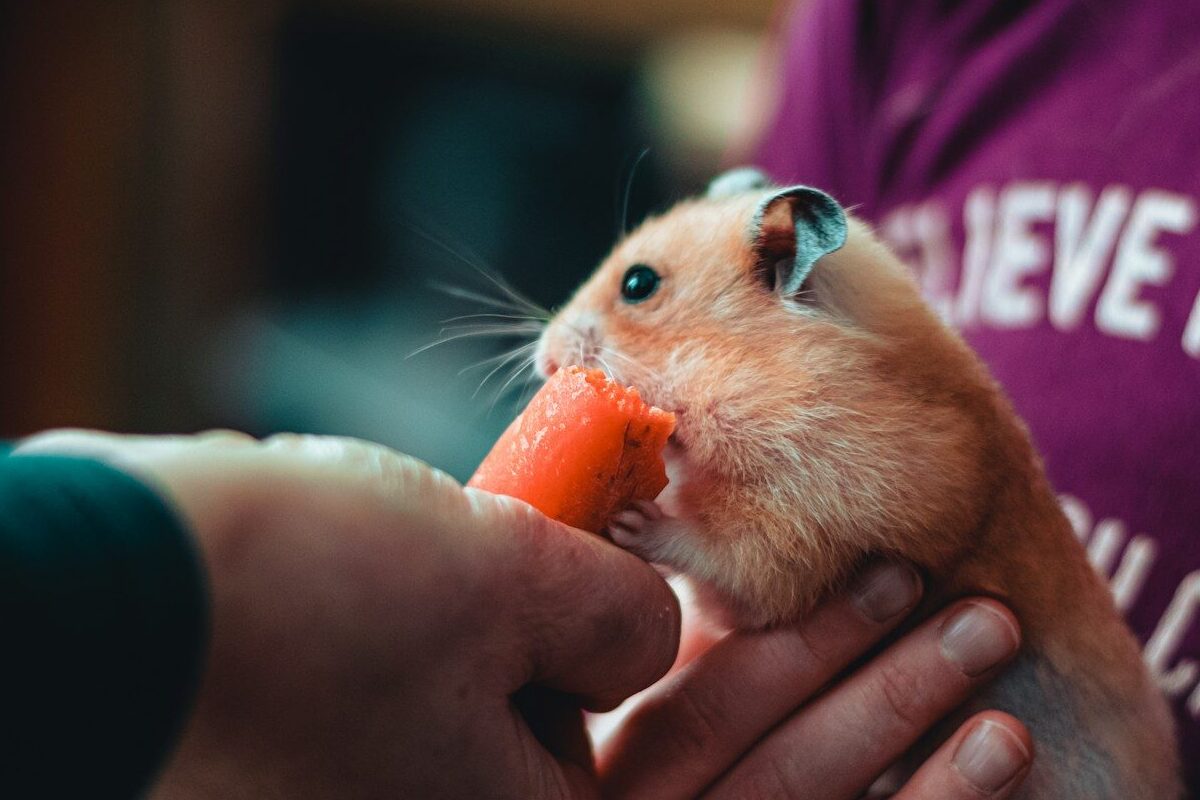
The commonest trigger is being woken or startled — hamsters are nocturnal or crepuscular, so daytime handling starts with a frightened animal. Biting only inside the enclosure is usually territorial: the home is the one place a hamster feels it must defend. Why does my hamster bite? Almost always because it is startled, frightened, protecting … Read more

Hay and grass make about 85 percent of a rabbit’s diet, available all day — roughly a bundle at least as big as the rabbit itself, daily. Leafy greens make about 10 percent: an adult-sized handful of safe, washed greens each day. Pellets or nuggets make about 5 percent: a small measured amount only. What … Read more
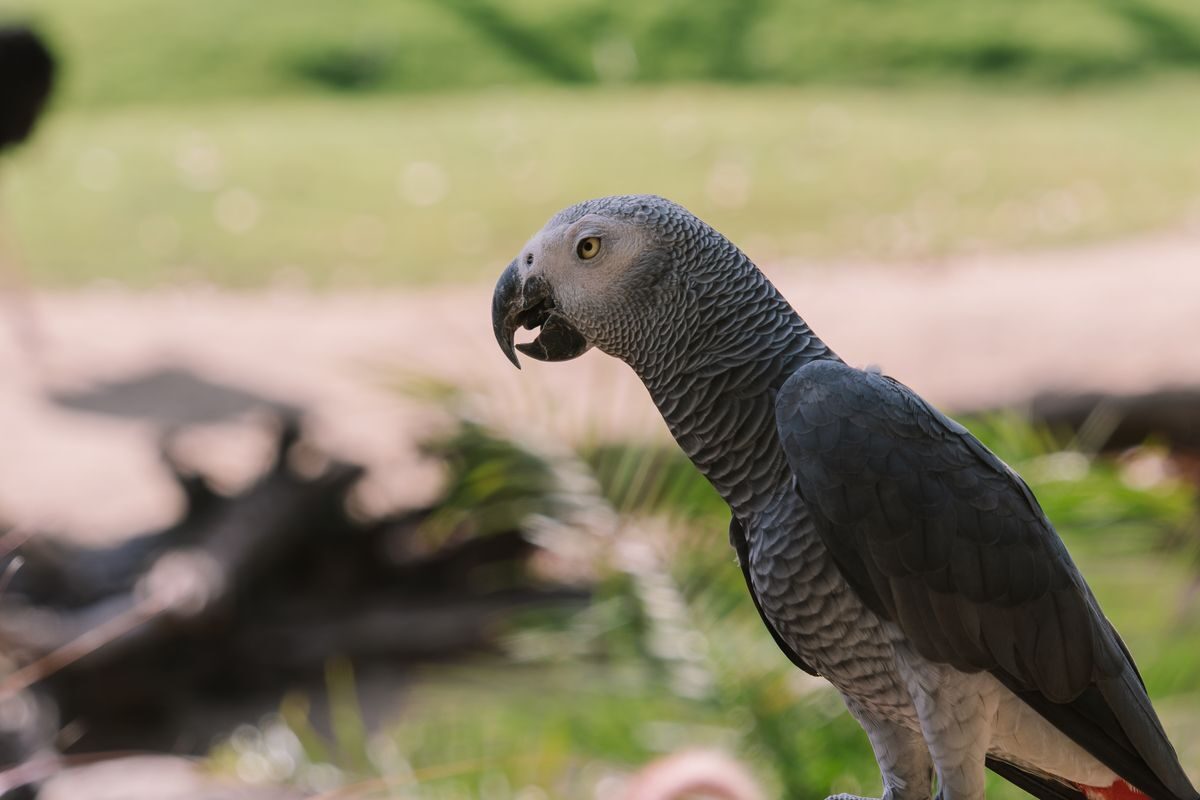
African greys are widely regarded as the top talkers, but they are sensitive, demanding birds that may live 40 to 60 years. Amazons talk clearly and enthusiastically but are loud, bold birds needing experienced handling. Budgies offer real talking ability in a small, beginner-friendly bird. The parrots that talk best are African greys for clarity … Read more
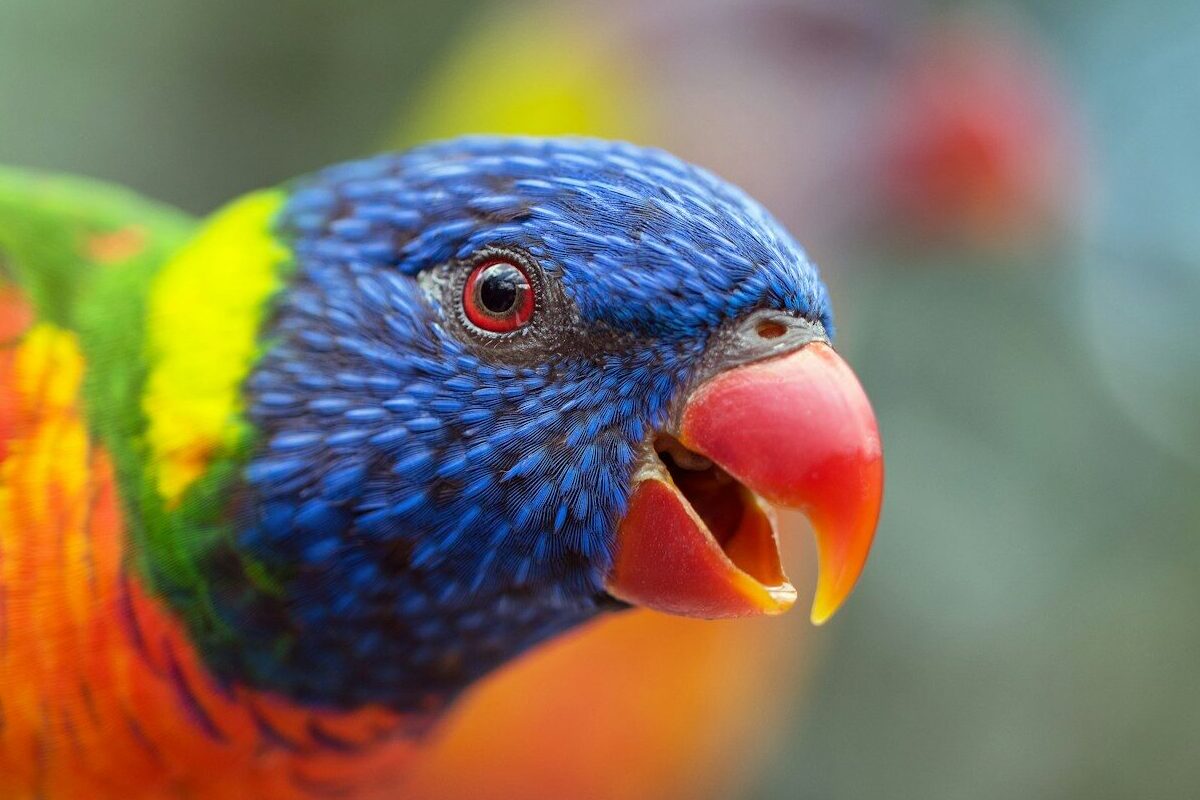
Some screaming is built in: expect louder calling at dawn and dusk, and contact calls when you leave the room. Excessive screaming is different — long, repeated bouts through the day usually mean boredom, loneliness, poor sleep, fear, a disrupted routine or illness. Most parrots scream because screaming is normal parrot communication: a contact call … Read more
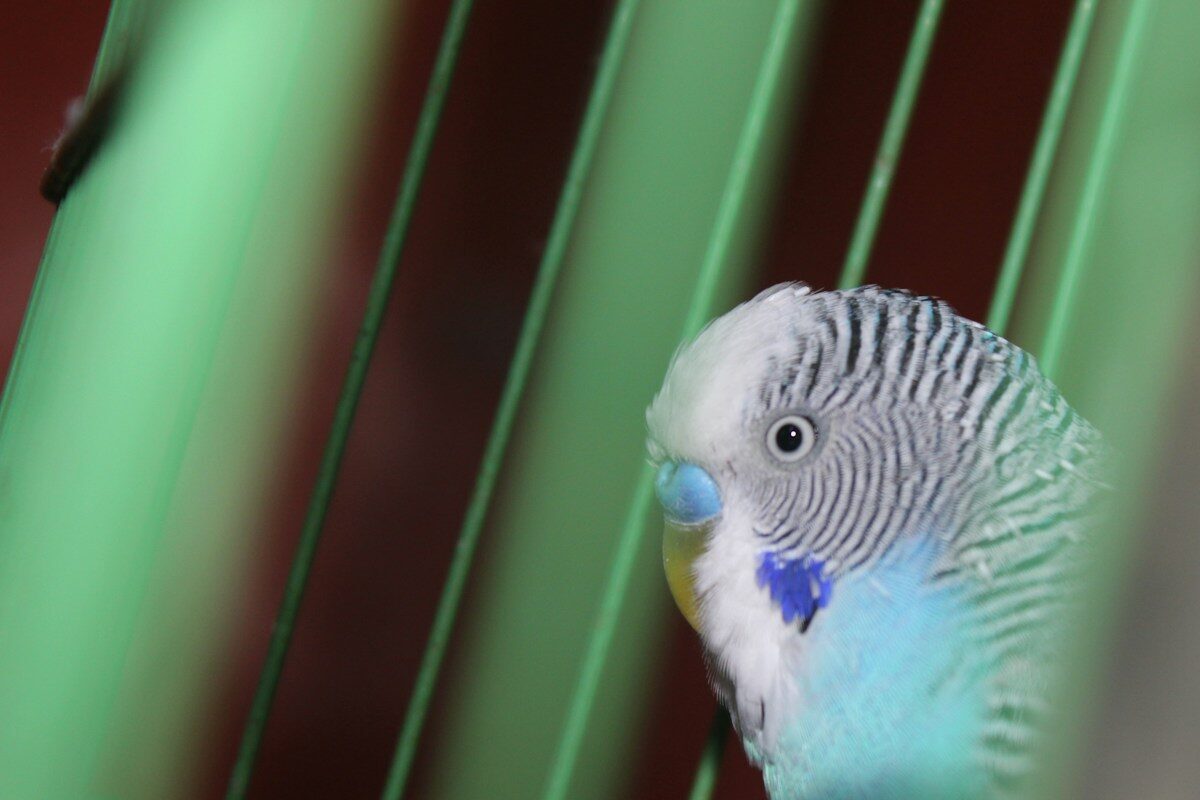
Budgie care comes down to four things: the widest cage you can fit and afford, pellets as the food base with daily vegetables and only a limited amount of seed, 10 to 12 hours of dark, quiet sleep each night, and daily company. Budgie care for beginners comes down to five things done well: a … Read more

Dog body language is a whole-body conversation — never read one signal on its own. Tail, eyes, ears, mouth, posture and context together give the meaning. A wagging tail means arousal, not happiness: a loose sweeping wag is friendly, while a high, stiff, fast wag is not. Dog body language is a whole-body conversation, not … Read more

Keep the first week small and predictable: one sleeping place, one toilet place, short play, and a lot of sleep. Puppies usually sleep 18 to 20 hours a day, and overtired puppies bite, race around and settle badly, so plan naps. The puppy first week is not about training perfection. It is about sleep, toilet … Read more
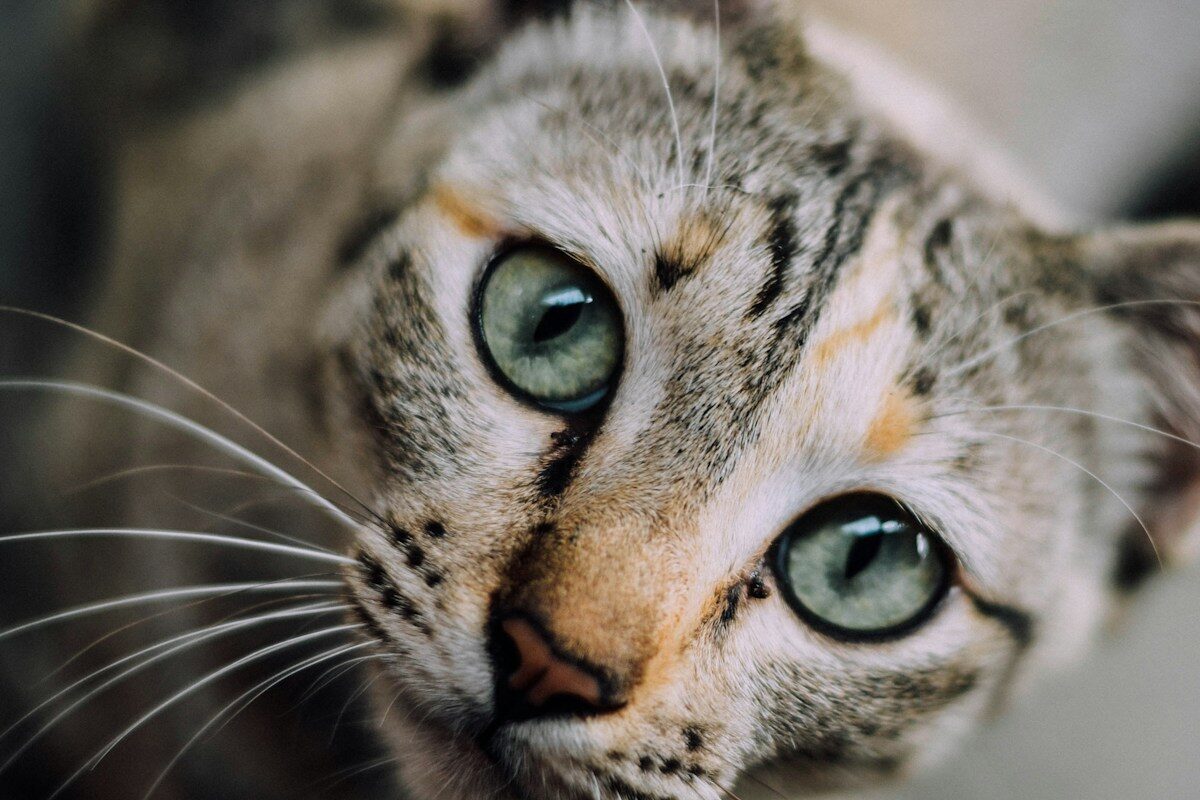
You look up from your phone and your cat is watching you, completely still, eyes fixed on your face, as if you owe an explanation. If you have wondered why does my cat stare at me like that, there is rarely one answer: a relaxed stare with slow blinks usually signals comfort and trust, a … Read more

Cat sleeping positions give clues about warmth, safety and comfort, not one fixed message. A curled cat is usually keeping warm and protecting its belly, a cat on its back or side usually feels safe enough to expose its belly, and a cat sleeping on you is usually choosing warmth, your familiar scent and a … Read more

Most dogs eat grass because it is normal grazing behaviour, not because they are ill. In the University of California, Davis surveys, about 68 percent of owners said their dogs ate plants daily or weekly, yet only about 8 percent were often ill beforehand. Worry only when grass-eating is sudden, frantic, or paired with vomiting, … Read more

Cats knead because it is a leftover nursing behaviour that still means comfort, warmth and safety in adulthood. Kittens press their paws while nursing, and adults keep the habit to settle themselves, mark a spot with scent from glands between their toes, and pat down a sleeping place. Your cat climbs onto your lap, turns … Read more
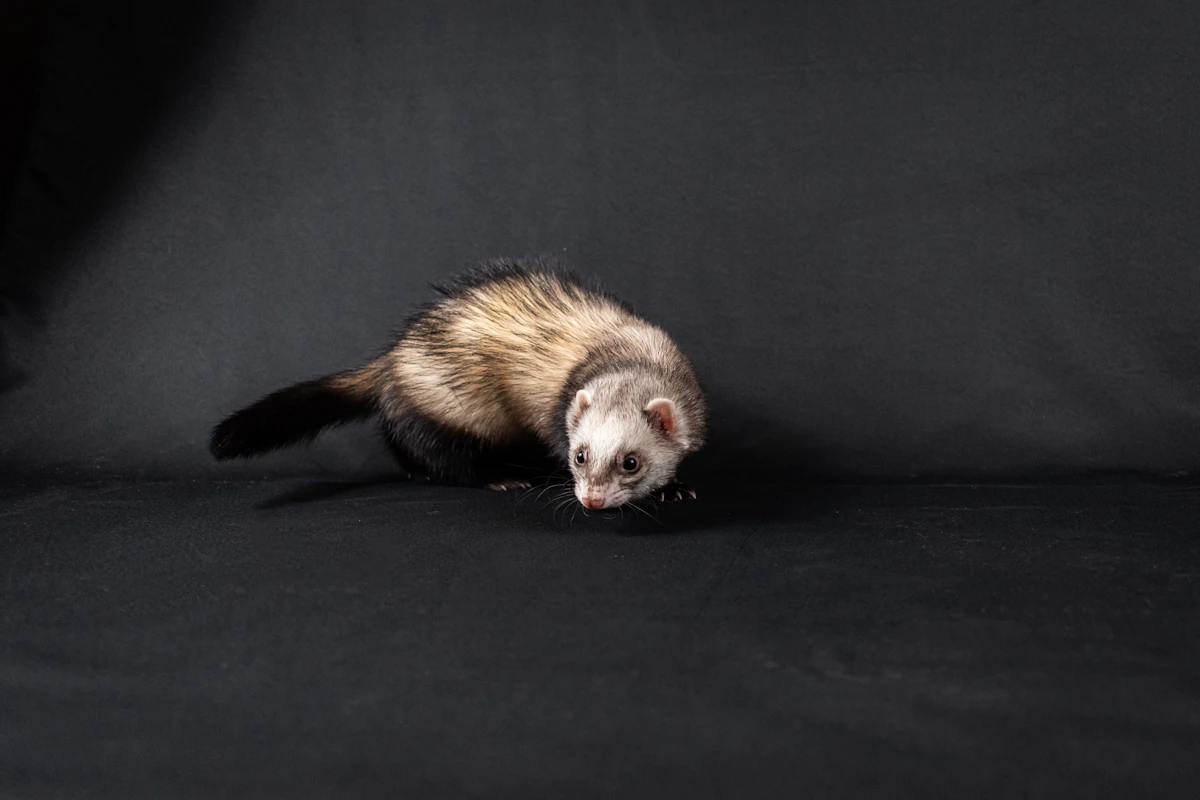
Ferret-proofing starts with one rule: if a ferret’s head can fit through a gap, the body usually follows, so seal holes and gaps larger than about 1 inch. Recliners and sofa beds are a top hazard — ferrets climb inside the mechanism and can be crushed. Ferret-proofing your home means thinking in one inch: block … Read more
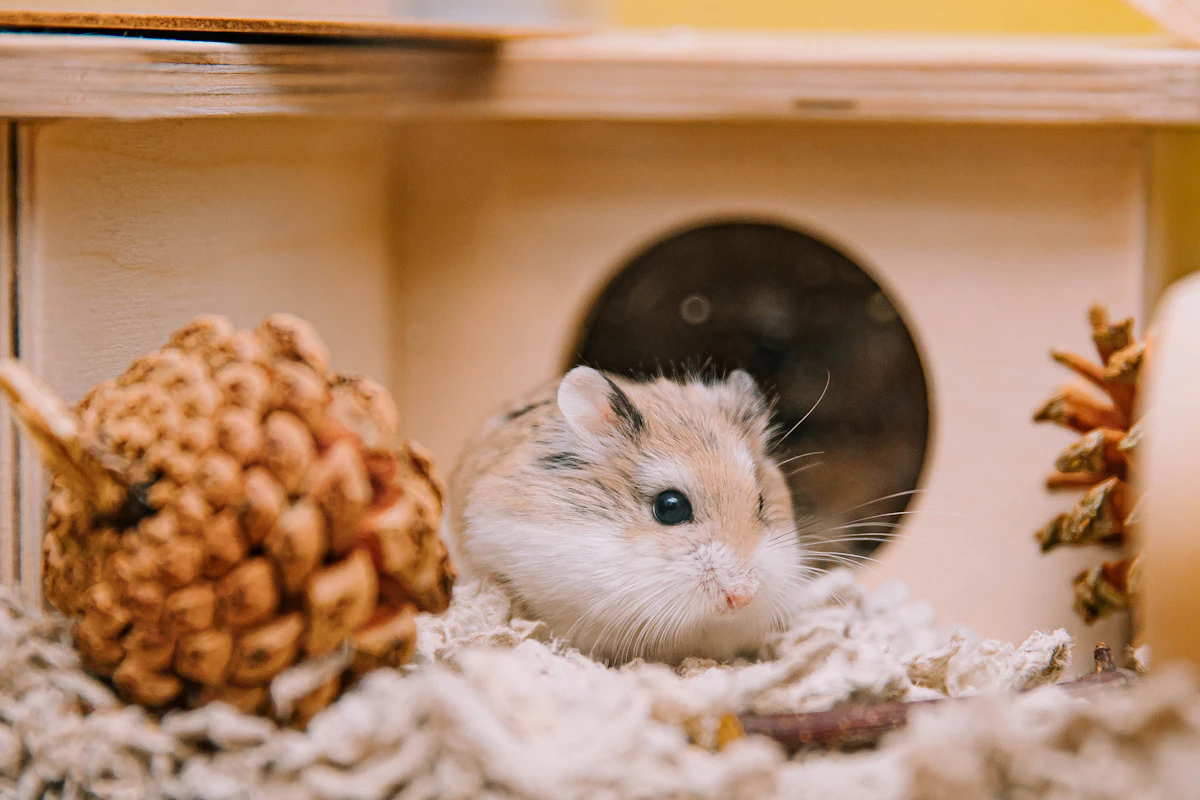
The true dwarfs kept as pets are Roborovski, Campbell’s and Winter White hamsters — the Syrian hamster is a separate, larger species, not a dwarf. Lifespan is short: roughly 1.5 to 2 years for Campbell’s and Winter Whites, with Roborovskis often living up to about 3 years. Good dwarf hamster care comes down to space, … Read more

A binky — a leap with a mid-air twist — means joy and excitement. A flop onto the side means your rabbit feels safe enough to relax completely. Thumping a hind foot is a warning: your rabbit has heard, seen or smelled something worrying, or is annoyed. Your rabbit is talking to you all day … Read more
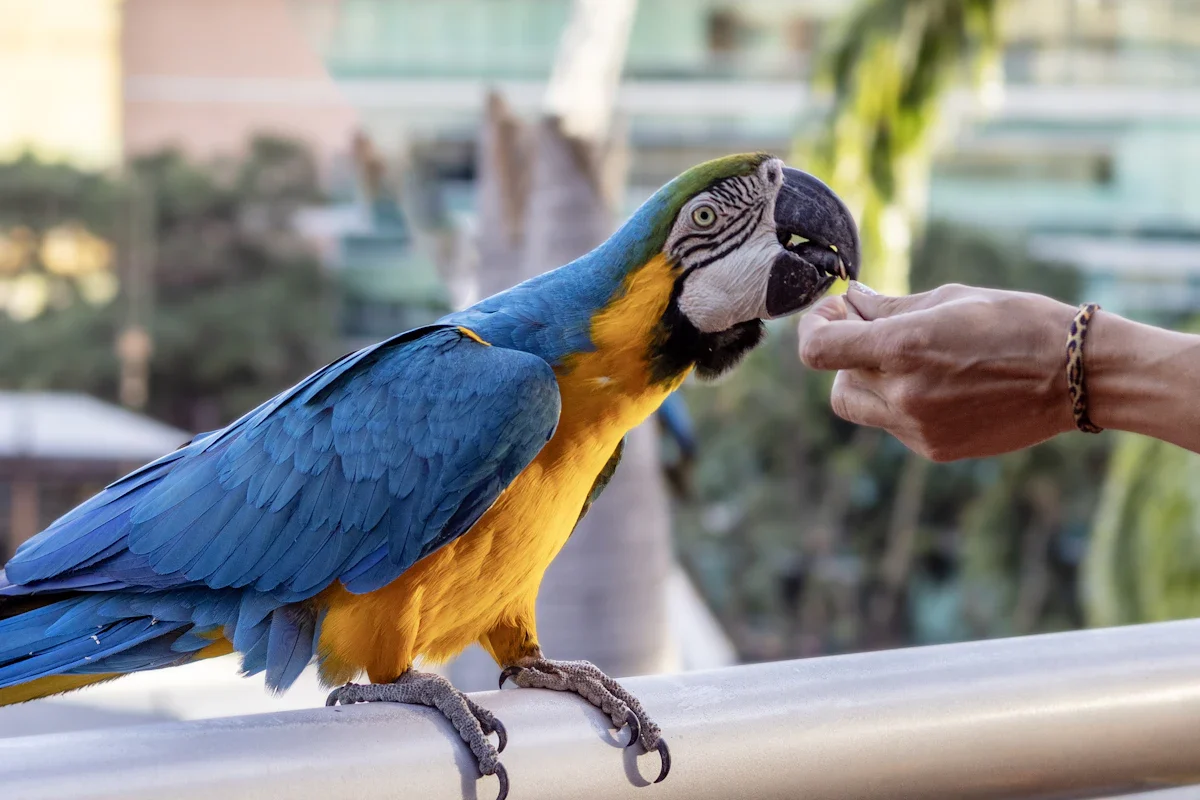
Trust comes before words: a bird that will not relax near you will not practise sounds near you. Start with one short word, say it the same way in the same moment each day, and reward every attempt. Keep sessions short — about 5 to 15 minutes, once or twice a day — and always … Read more
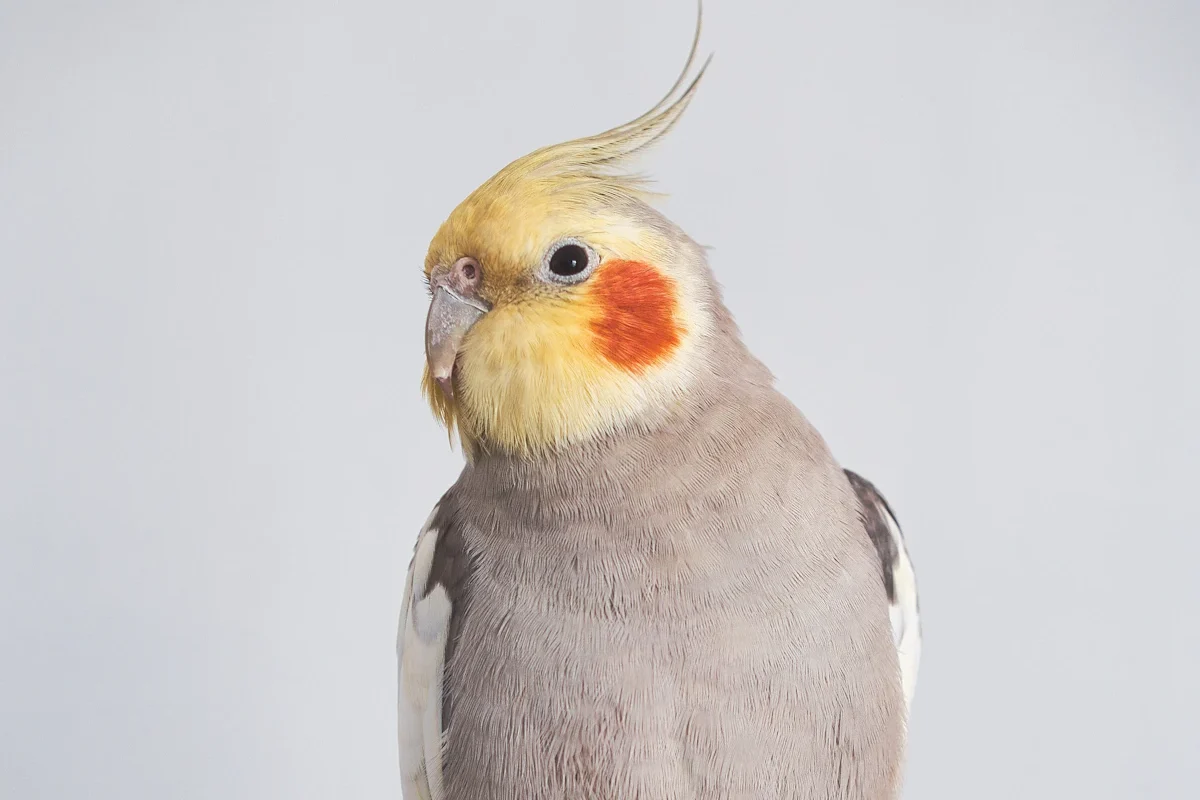
Most well-kept pet cockatiels live 15 to 20 years; 20 to 25 is common with excellent care, and close to 30 is reported but not typical. Sources disagree because care differs: a seed-only diet, no vet care, and household hazards pull life expectancy down sharply. How long do cockatiels live? With good care, most pet … Read more

A happy budgie is vocal, active and curious — singing, chattering, playing and exploring through the day. Relaxed body language matters: beak grinding at rest, gentle preening, and perching on one foot all point to a bird that feels safe. If you are wondering about the signs your budgie is happy, look for a noisy, … Read more

Never feed a dog chocolate, xylitol (also labelled birch sugar), grapes and raisins, onions, garlic and chives, macadamia nuts, alcohol, or caffeine. Also keep away cooked bones, which splinter, and raw yeast dough, which expands and produces alcohol in the stomach. “A little bit won’t hurt him” is the myth that fills vet waiting rooms. … Read more
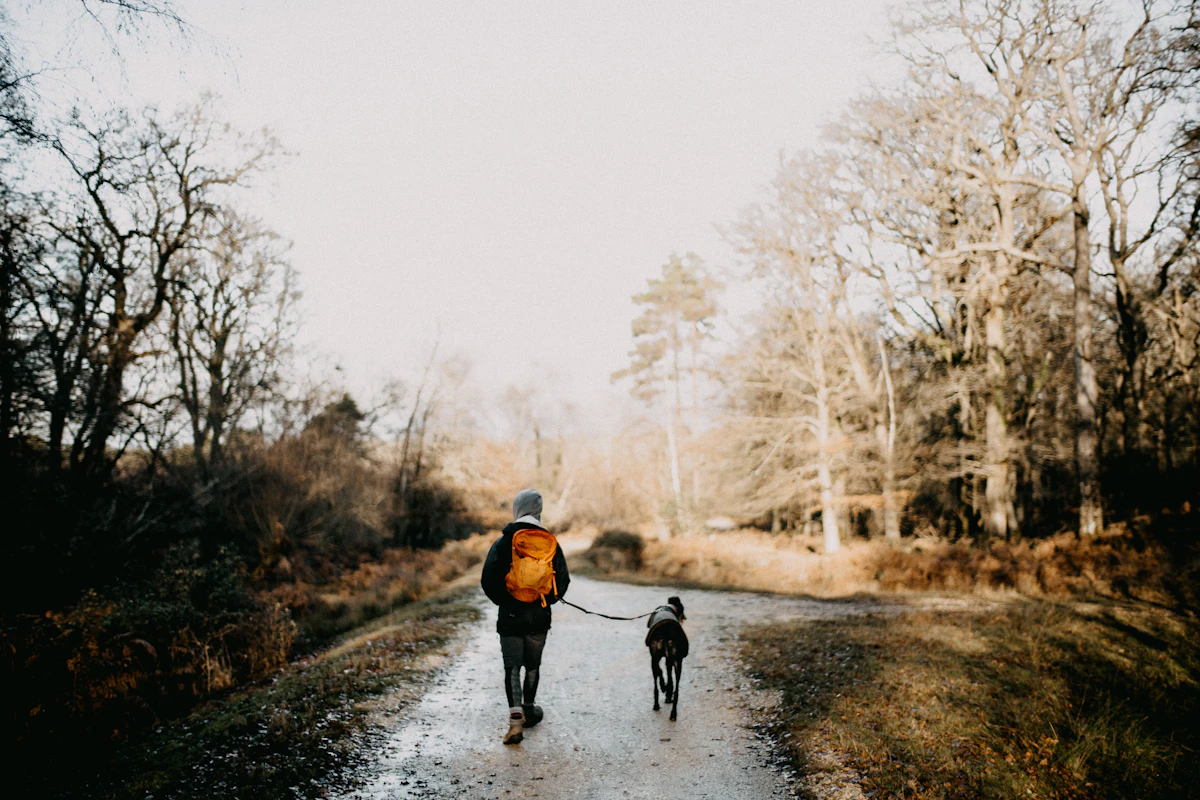
Most healthy adult dogs need 30 minutes to 2 hours of exercise a day, usually split into two or more sessions. Puppies need about five minutes of structured exercise per month of age, once or twice a day, as a common guideline rather than a strict law. How much exercise does a dog need each … Read more

The everyday head tilt is most often a sign of attention: your dog is processing a sound that matters to him. In a 2021 study, dogs who had learned many toy names tilted their heads far more often when they heard a known name than typical dogs did. You say the word “walk” in a … Read more

True lilies and daylilies can cause fatal kidney failure — even from pollen or vase water — so keep them out entirely. Never use a dog flea product on a cat: permethrin can cause tremors, seizures and death in cats. Never give paracetamol (acetaminophen) at home — Cornell lists it as contraindicated in cats at … Read more
Recent posts
-

Why Do Cats Sleep So Much? Hunters, Energy Savers and the 16-Hour Nap
Cats sleep 12 to 16 hours a day because they are energy strategists: built to rest deeply between bursts of hunting, most active at dawn and dusk, and wired to conserve power even when the food bowl is always full. Long sleep is the design, not laziness — worry only when a cat’s own pattern…
-
Why Do Rabbits Dig? Instinct, Boredom and the Carpet Under Attack
Rabbits dig because they are built for it: wild rabbits dig warrens for shelter, escape and nesting, and pet rabbits keep the same wiring. Digging is almost always normal, not naughtiness — so the answer is not stopping it, but giving the rabbit a dig box and protecting the carpet. If you keep a rabbit…
-
Best Dog Dental Chews: Cleaner Teeth Between Vet Visits
Dental chews reduce plaque and tartar between vet visits by scrubbing teeth as the dog gnaws — they are daily maintenance, not a cure for existing dental disease. The right chew is sized to the dog, soft enough to give under a thumbnail, and supervised, so it cleans teeth without breaking them or becoming a…
Most viewed


Why trust Furrology
Every guide is researched against reputable sources — veterinary schools, the ASPCA and RSPCA, university resources like Cornell — and written by people who actually live with these animals. We say what the science supports, admit what it doesn’t, and never pretend to be vets. Read more on our About Us page.